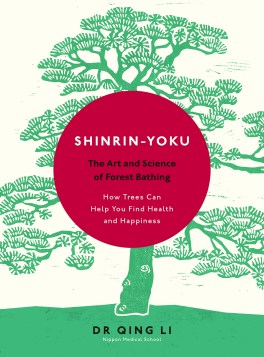
In a time when we’re constantly swamped with never-ending to-do lists, pausing to spend time in nature and soak up the restorative power of the natural world has never been more important.
Shinrin-Yoku, or forest bathing, is the practice of spending time in the forest for greater health, a strengthened immune system, happiness and a sense of calm. A pillar of Japanese culture for decades, Shinrin-Yoku will help you slow down and reconnect with nature, from walking mindfully in the woods, to a break in your local park, to simply walking barefoot on your lawn.
Bibliography Qing Li (2018) Shinrin-Yoku: The Art and Science of Forest Bathing. London: Penguin Random House.
Breda, 16 augustus 2020. Dit e-boek Publieke Risico Essays bevat een collectie van 75 essays, geschreven door publieke leiders, managers, adviseurs, experts en wetenschappers. Selectie en curatie door Eric Frank en Jack Kruf. Dank aan alle auteurs, organisaties en uitgevers voor het beschikbaar stellen van deze essays.
Een boek om uw kennis te verrijken en uw inzichten te verdiepen. Het telt 723 pagina’s lezenswaardig materiaal met betrekking tot de publieke besturing van waarden en risico’s.
Het boek bevat een caleidoscopisch overzicht en bestrijkt de periode 1995-2020. Beoogd wordt om de ontwikkeling van het vakgebied ‘publiek risicomanagement’ – als relatief nieuw vakgebied binnen het bredere perspectief van publieke (be)sturing -nader te duiden en de zoektocht naar acceptatie ervan door bestuur en management – als logische bijdrage aan resultaat en succes – in beeld te brengen.
Deze collectie wordt uitgebracht voor bestuurders, managers, adviseurs, wetenschappers, docenten en studenten. Het wordt gebruikt voor onderwijsdoeleinden.
Inleiding De beginselen van risicomanagement liggen besloten in elk ecosysteem en zijn voor wat de mens betreft zo’n 300.000 jaar oud. Elk mens heeft in zijn hersenen de vroege ontwikkelingsstadia nog opgeslagen. Om te overleven als groep of als individu. Het kwam ons voor dat deze basisprincipes voelbaar zijn in de gedachten verwoord in deze selectie van essays. Veel ervan is wezenlijk.
Nu, anno 2020, kijken wij slechts een stukje terug. Gedurende 15 jaar (periode 2006- 2020) zijn wij afwisselend verantwoordelijk geweest voor de oprichting, besturing en management van de Nederlandse tak van PRIMO, de Public Risk Management Organisation. Een mooi moment om een selectie van essays te presenteren, dat een beeld geeft van het ontstaan, de werking en de ontwikkeling van het vak risicomanagement.
Het is een persoonlijke selectie, waarbij in onze ogen de diverse invalshoeken van het vakgebied het sterkst worden geëtaleerd. Het is een selectie, waarvan wij weten dat wij mensen tekort doen, natuurlijk. Maar de keuze voor een beperkte set van essays en pagina’s dwingt om te kiezen. Het zijn 75 essays en 723 pagina’s. Gebundeld in dit e-boek.
Risicomanagement is als vak zo oud als de weg naar Rome (en eigenlijk veel ouder zoals hierboven reeds geduid), maar het startpunt voor Nederland wordt gelegd in 1995, in de aanloop naar het proces waarbij de rijksoverheid in Nederland de eerste zaadjes plantte. Niet echt voor zichzelf, nee niet echt, maar om een construct te bedenken waarbij zij taken kon decentraliseren naar lagere overheden en vervolgens om toezicht op de uitoefening af te dwingen. Afstoten dus en erop toezien dat het goed gaat. Een bijzondere reden dus, die niet zozeer de publieke zaak vooropstelt maar eerder het mechanisme van controle. Dat is het eerste dat opvalt. 25 jaar risicomanagement.
De selectie van artikelen geeft de duiding van deze aanpak weer, laat ook zien dat vele experts en wetenschappers er veel nieuwe ideeën op hebben ingebracht, maar de rijksoverheid is qua standpunt en aanpak in die 25 jaar eigenlijk niet van gedachten veranderd. Er is eigenlijk de paragraaf weerstandsvermogen als enig echte kader. Daar wordt weliswaar wettelijk aan voldaan, maar veel gemeenten passen het nauwelijks toe als echt sturingsinstrument.
Wat opvalt is ook dat de gemeenten, provincies en waterschappen eigenlijk in het geheel nog niet georganiseerd zijn op dit punt, ook niet na 25 jaar. Iedereen werkt met een eigen aanpak, met eigen raamwerken, modellen, adviseurs en zelfs eigen wetenschappers. Er is nauwelijks sprake van een corporate kader waarmee door gemeenten, provincies en waterschappen wordt gewerkt.
Pas 25 jaar nadat het rijk de beslissing nam om zo te gaan werken, tonen de koepelorganisaties, zij het mondjesmaat – incidenteel, op projectbasis en meestal facilitair – een teken van leven op dit punt. Dat is merkbaar in de selectie. Essays hiervan ontbreken. De essays komen met name van enkele front runners in het publieke domein, wetenschappers of extern adviseurs.
Eigenlijk, concluderen wij, is er na 25 jaar weinig nieuws onder de zon. Veel boeken, artikelen, software, debatten, diversificatie en eigen winkels, maar in de kern draait alles nog steeds om dat ene principe van toezicht. De enige echte beleidslijn in al die jaren is het weerstandsvermogen. Er zijn gelukkig pogingen van experts om corporate risk governance op een hoger planniveau te krijgen. Een zoektocht van het openbaar bestuur zelve kent een zeer matig resultaat. Risicomanagement is niet geland, het is voor veel bestuurders en topmanagers een fremdkörper. Het is geen sturingsinstrument geworden om scherp aan de wind te zeilen, te innoveren, vooruit te zien. Het is een moetje, ja soms zelfs een wassen neus.
Risicomanagement is nog steeds een duwmodel, eigenlijk een ongewenst kindje van de overheid, waarin adviseurs en commerciële partijen natuurlijk voor een frisse wind hebben gezorgd, maar ook waarin zij met bijzondere ideeën, benaderingen en modellen kwamen aanzetten. En vooral de diversiteit aan begripsduiding en -uitleg is enorm. Het lijkt een vervuild begrip geworden, een container. Dit zorgt voor grote verwarring en hap-snap business. Daar wringt hem de schoen met betrekking tot publiek risicomanagement. Het speelveld is verdeeld en er is geen eenduidige taal.
Onze selectie van artikelen is een oproep om de handschoen nu echt eens op te pakken en voorliggende rijkdom aan kennis en ideeën opnieuw te wegen, te benutten en vooral aan de slag te gaan. Bestuur en topmanagement zijn daarbij aan zet. Daarvoor is wel gezag nodig en vooral draagvlak en consistentie vanuit de top van de ministeries.
Na 25 jaar zijn wij nog steeds een beetje waar wij 25 jaar geleden waren: de meeste bestuurders en topmanagers voelen er helemaal niets voor om dit vak professioneel te adopteren. Hun uitleg is dat het negatief is, remmend, niet motiverend, mijdend. Natuurlijk is dit onzin, maar goed de beleving is soms sterker dan de werkelijkheid. De kern van het vak wordt willens en wetens niet begrepen. Er is werk aan de winkel, veel, jawel heel veel. Deze selectie bevat daarvoor de ingrediënten.
Voor u ligt een reis van meer dan 25 jaar, die ook laat zien dat goede ideeën zijn gelanceerd en dat vele pogingen zijn ondernomen om het vak te verbreden en om het volwassen te laten worden. Een deel daarvan is in onze ogen het waard om gedeeld te worden en verdient om op de tekentafel te brengen bij de doorontwikkeling van het vak. Wij wensen u leesplezier én inspiratie.
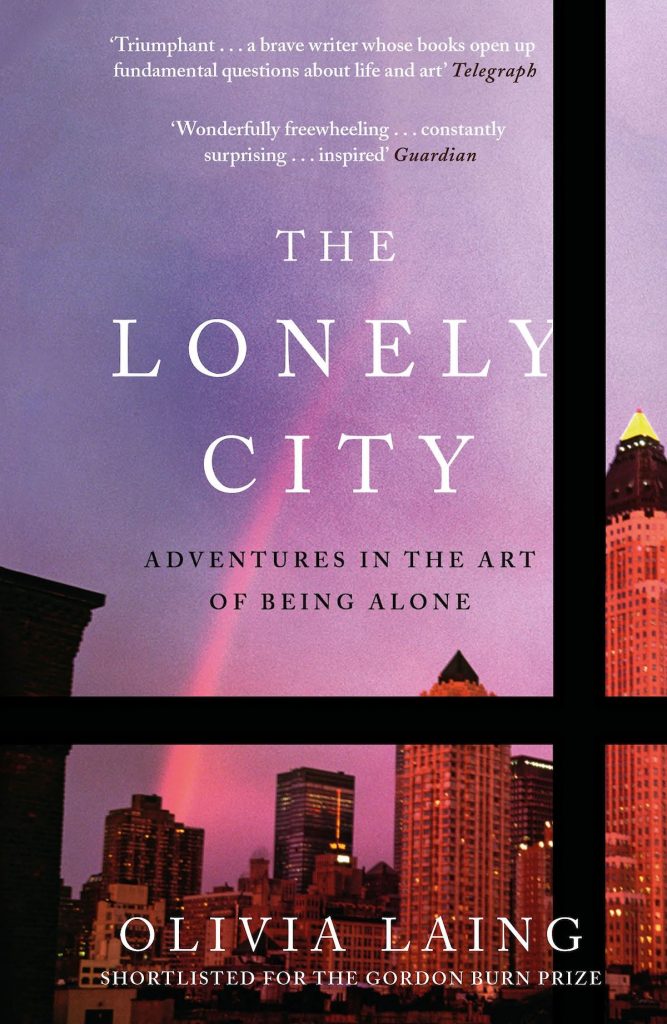
What does it mean to be lonely? How do we live, if we’re not intimately engaged with another human being? How do we connect with other people? Does technology draw us closer together or trap us behind screens?
“Loneliness, I began to realise, was a populated place: a city in itself. And when one inhabits a city, even a city as rigorously and logically constructed as Manhattan, one starts by getting lost”
When Olivia Laing moved to New York City in her mid-thirties, she found herself inhabiting loneliness on a daily basis. Fascinated by this most shameful of experiences, she began to explore the lonely city by way of art. Moving fluidly between works and lives – from Hopper’s Nighthawks to Warhol’s Time Capsules, from Henry Darger’s hoarding to David Wojnarowicz’s AIDS activism – Laing conducts an electric, dazzling investigation into what it means to be alone.
“Loneliness is personal, and it is also political. Loneliness is collective; it is a city. As to how to inhabit it, there are no rules and nor is there any need to feel shame, only to remember that the pursuit of individual happiness does not trump or excuse our obligations to each another. We are in this together, this accumulation of scars, this world of objects, this physical and temporary heaven that so often takes on the countenance of hell. What matters is kindness; what matters is solidarity. What matters is staying alert, staying open, because if we know anything from what has gone before us, it is that the time for feeling will not last.”
About the feeling many of us will know or recognise, that of being the individual, the citizen or the inhabitant, and seeking connection with the city, with that larger Ecosystem City®, Laing formulates precise:
“Imagine standing by a window at night, on the sixth or seventeenth or forty-third floor of a building. The city reveals itself as a set of cells, a hundred thousand windows, some darkened and some flooded with green or white or golden light. Inside, strangers swim to and fro, attending to the business of their private hours. You can see them, but you can’t reach them, and so this commonplace urban phenomenon, available in any city of the world on any night, conveys to even the most social a tremor of loneliness, its uneasy combination of separation and exposure.”
Humane, provocative and moving, The Lonely City is a celebration of a strange and lovely state, adrift from the larger continent of human experience, but intrinsic to the very act of being alive. Read more at Canongate Books.
Bibliography
Laing, Olivia (2016) The Lonely City: Adventures in the heart of being alone. Edinburgh: Canongate Books Ltd.
Cover picture Rise of the DEO.
This book puts leadership in the context, recognized within public governance challenges. The DEO – Design Executive Officer – as described by Giudice and Ireland has many connections with that of mayors, aldermen and city managers who constantly act on the edge of design and dynamics. Design can be considered as a core competence. This book is in this context a complete breath of fresh air and brings recognisable new perspectives on leadership. Public leaders could be inspired by this book.
“This book identifies and explores the qualities of a new breed of leaders. The book lays out–graphically and through example–how DEO’s run their companies and why this approach makes sense today. We help readers identify skills in themselves and their colleagues, and we guide them in using these skills to build, revive, or reinvent the next generation of great companies and organizations.Leaders who understand the transformative power of design and embrace its traits and tenets can command in times of change. We call these leaders DEO’s and they are our new heroes.”
– Maria Giudice and Christopher Ireland.
Giudice and Ireland bring forward six characteristics of a DEO, which are brought forward many times in books of leadership but in this book placed in a new surprising context. DEO’s are:
Change agents: not troubled by change.
Socially Intelligent: high social intelligence.
System thinkers: systems thinkers who understand the interconnectedness of their world.
Intuitive: highly intuitive, either by nature or through experience.
Risk takers: embrace risk as an inherent part of life and a key ingredient of creativity.
GSD: “gets shit done.” (i.e. they make things happen).
“Businesses and governments have discovered the power of a creative mind to effect change and produce value. Experts note that CEO’s who possess a design sensibility—or trust others who do—are best suited to thrive in a changing world. Yet not until Rise of the DEO has anyone captured the true potential of a design-oriented thinker at the highest level of an organization. Maria Giudice and Christopher Ireland have written a seminal work that will transform the role of the designer and the pace of innovation. This book is a must read.”
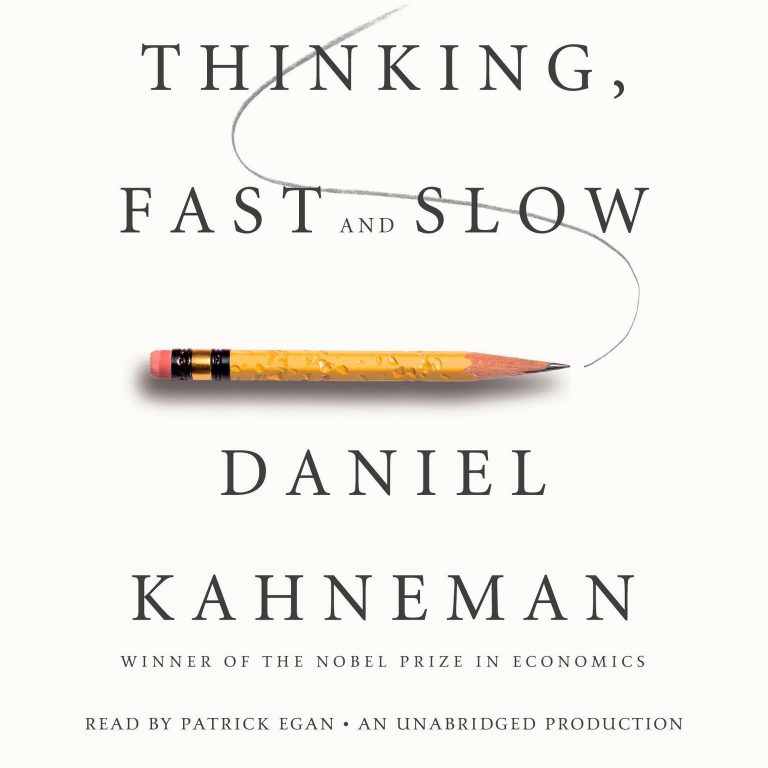
The mind is a hilariously muddled compromise between incompatible modes of thought in this fascinating treatise by a giant in the field of decision research.
Psychologist Kahneman positions a brain governed by two clashing decision-making processes. The largely unconscious System 1, he contends, makes intuitive snap judgments based on emotion, memory, and hard-wired rules of thumb and the painfully conscious System 2, laboriously checks the facts and does the math, but is so “lazy” and distractible that it usually defers to System 1.
Kahneman uses this scheme to frame a scintillating discussion of his findings in cognitive psychology and behavioral economics, and of the ingenious experiments that tease out the irrational, self-contradictory logics that underlie our choices.
All described factors play directly and indirectly a role in public governance. All public leaders and managers should be aware of the so thoroughly described systems of our brains and behaviour. They makes thinks clear an understandable. The book is an epiphany.


 Kruf Huyssons