
Bibliography
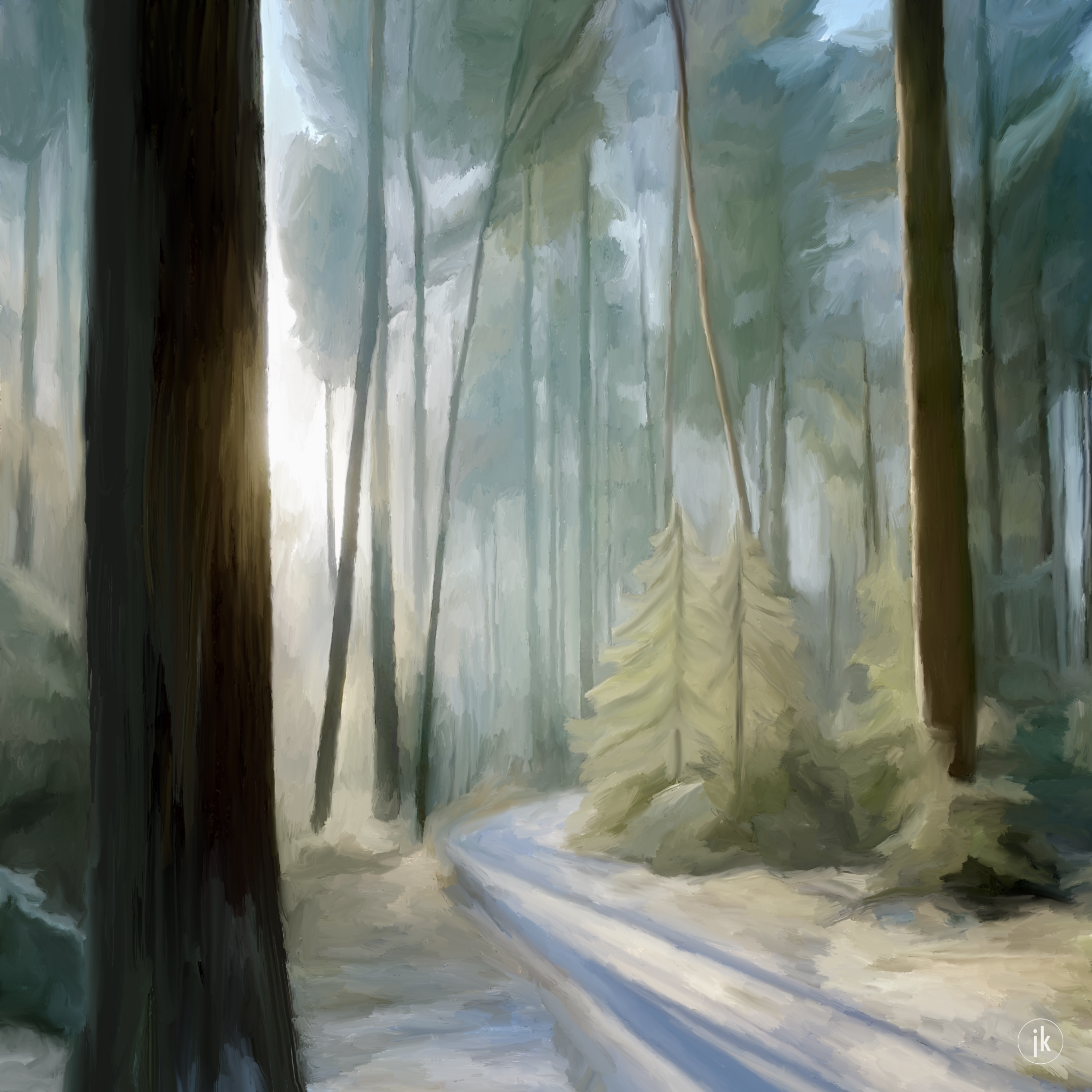
Kruf, J. (2024) Mystical Forest [fine art print]. Breda: private collection.
Bibliography
Kruf, J. (2024) Mystical Forest [fine art print]. Breda: private collection.
Bibliografie
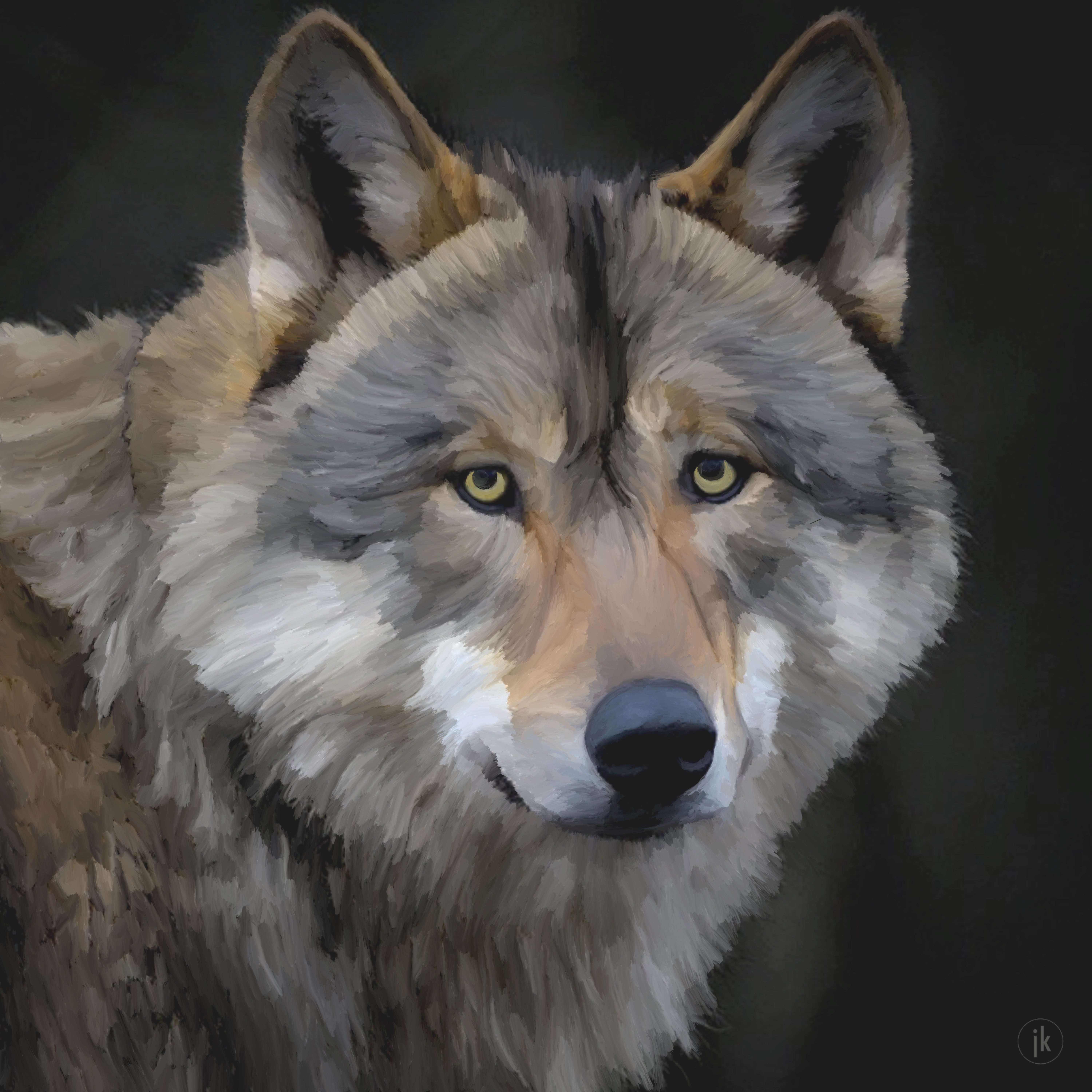
Kruf, J. (2024) Grijze wolf [fine art print]. Breda: privécollectie.
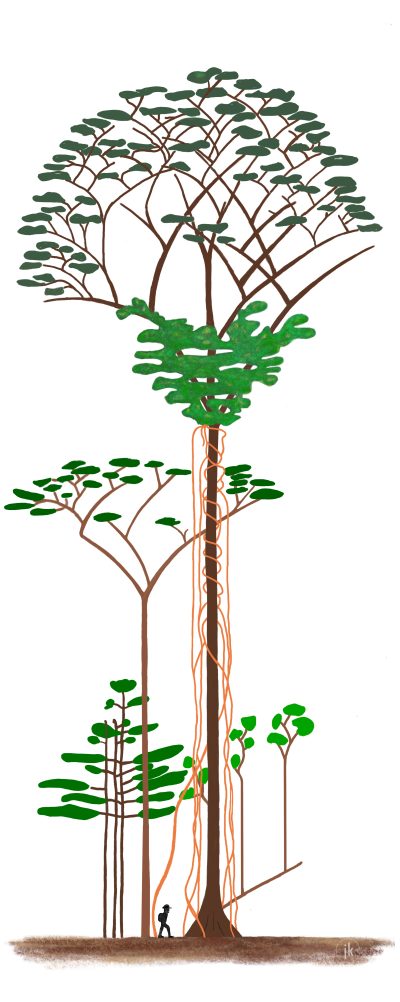 One of the core determinants in diagnosing an ecosystem is the interaction between components, in this case, plant species. Understanding how different roles in the forest ecosystem can interact is critical to proper diagnosis.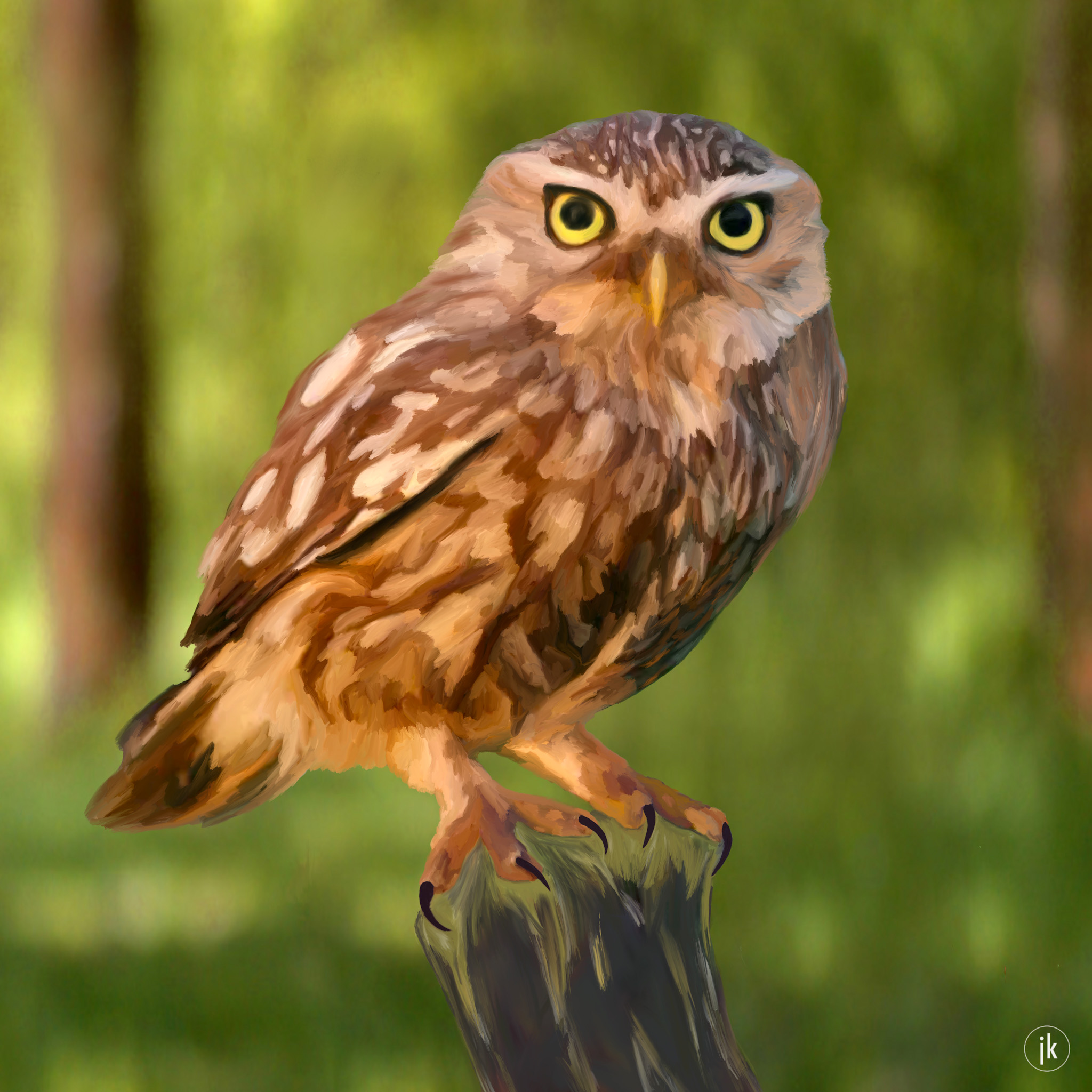
De steenuil, die luistert naar de prachtige Latijnse soortnaam Athene noctua, is de kleinste uil. De Engelsen noemen hem Little owl. Hij is zo groot als een merel.
Bibliografie
Kruf, J. (2024) Steenuil [fine art print]. Breda: privécollectie.
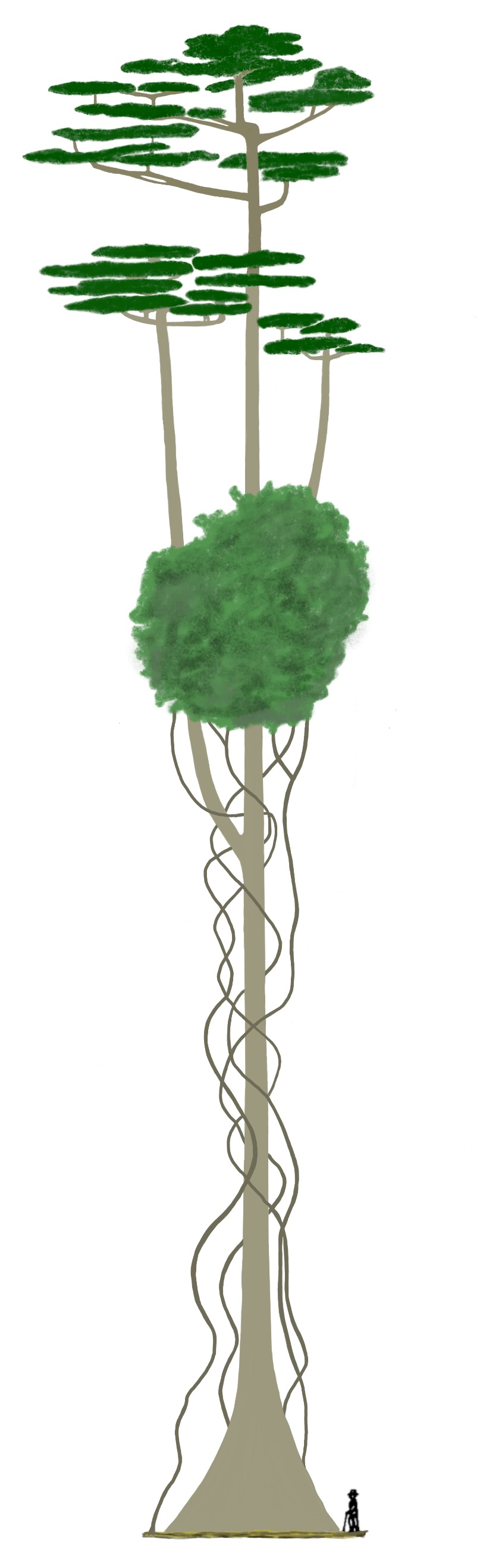 One of the core determinants in diagnosing an ecosystem is the interaction between components.
Understanding the exact interaction—or, in this case, a combination of interactions—is key to proper diagnosis.
This design tells the story of a tree and a liane. Who benefits from whom, when, and why? The tree and liane are real, as measured by Roelof Oldeman (1974a), but they are also metaphors for people or organisations.
I firmly believe in the plausibility of this substitution, primarily due to the universal nature of ecological interactions. These are governed by a set of fundamental patterns, a mere seven, which exist in nature. This universality extends to the public domain, which is intricately intertwined with nature.
It is part of transect by Oldeman (1974a): “La liane perchée sur le Terminalia amazonia à une hauteur d’environ 35 mètres appartient probablement à la famille des Polygonacées“. Curation and colour selection by Jack Kruf.
Bibliography
Oldeman, R.A.A. (1974a, 2nd ed.). L’architecture de la forêt guyanaise. Mémoires ORSTOM, 73.
 Kruf Huyssons