
De steenuil, die luistert naar de prachtige Latijnse soortnaam Athene noctua, is de kleinste uil. De Engelsen noemen hem Little owl. Hij is zo groot als een merel.
Bibliografie
Kruf, J. (2024) Steenuil [fine art print]. Breda: privécollectie.

De steenuil, die luistert naar de prachtige Latijnse soortnaam Athene noctua, is de kleinste uil. De Engelsen noemen hem Little owl. Hij is zo groot als een merel.
Bibliografie
Kruf, J. (2024) Steenuil [fine art print]. Breda: privécollectie.

De uilen heersten over de wereldwijde wouden, zo’n 62 miljoen jaar geleden. Mensen waren er nog lang niet. De Oehoe (Bubo bubo L.) hij is er nog. Een wonder van wijsheid, met meer dan uitstekend dag- én nachtzicht en klauwen die werken als bankschroeven. Een sterke combinatie blijkbaar. Een ode.
Bibliografie
Kruf, J. (2024) Oehoe [fine art print]. Breda: privécollectie.
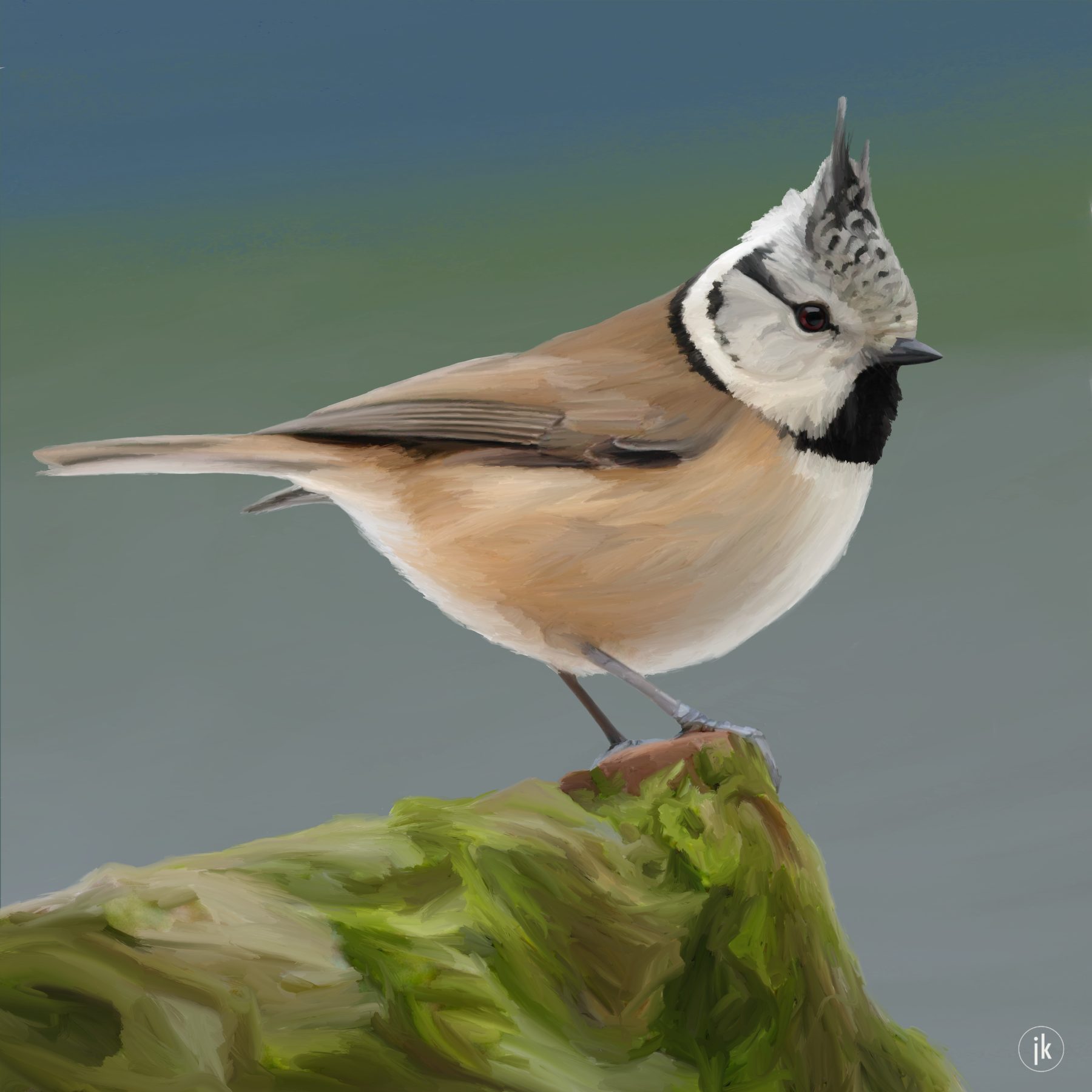
De kuifmees (Lophophanes cristatus L.) toont haar unieke kleurencombinatie.
Bibliografie
Kruf, J. (2024) Kuifmees [fine art print]. Breda: privécollectie.
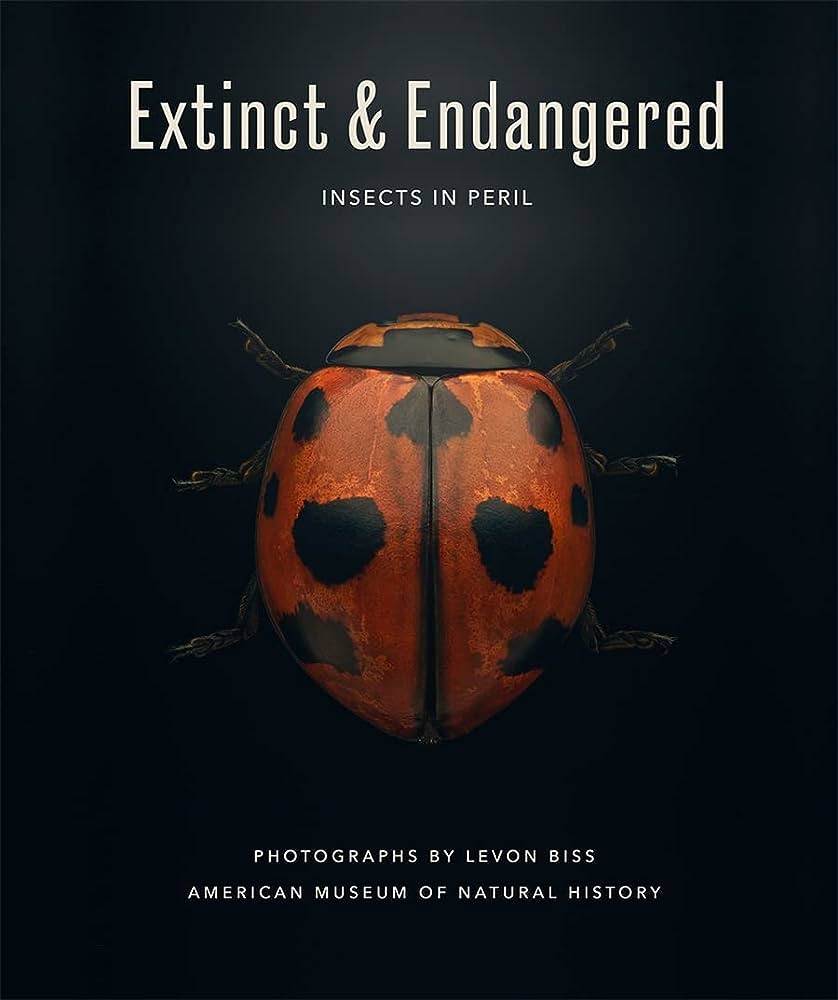
Insects in Peril
Levon Biss and American Museum of Natural History | 2022, Harry Abrams
Pay attention to insects. Many pollinate plants. Some recycle plant and animal matter into the soil. They are food for countless other living things—and for one another, often keeping pest populations in check. Whether beetles, bees or butterflies, insects help natural ecosystems stay healthy.

But the evidence is clear: many insect species are in decline. The ones featured here are vulnerable, imperilled—or have already disappeared—and human changes to the land and climate are primary reasons.

This duck stands out in colour matching. The common eider (Somateria mollissima L.) shows its yellow and green in an original palette and structure. It is a high-speed duck which can fly up to 113 km/h. Beauty and speed are a great combination.
Bibliography
Kruf, J. (2024) Common eider [fine art print]. Breda: Private collection.