
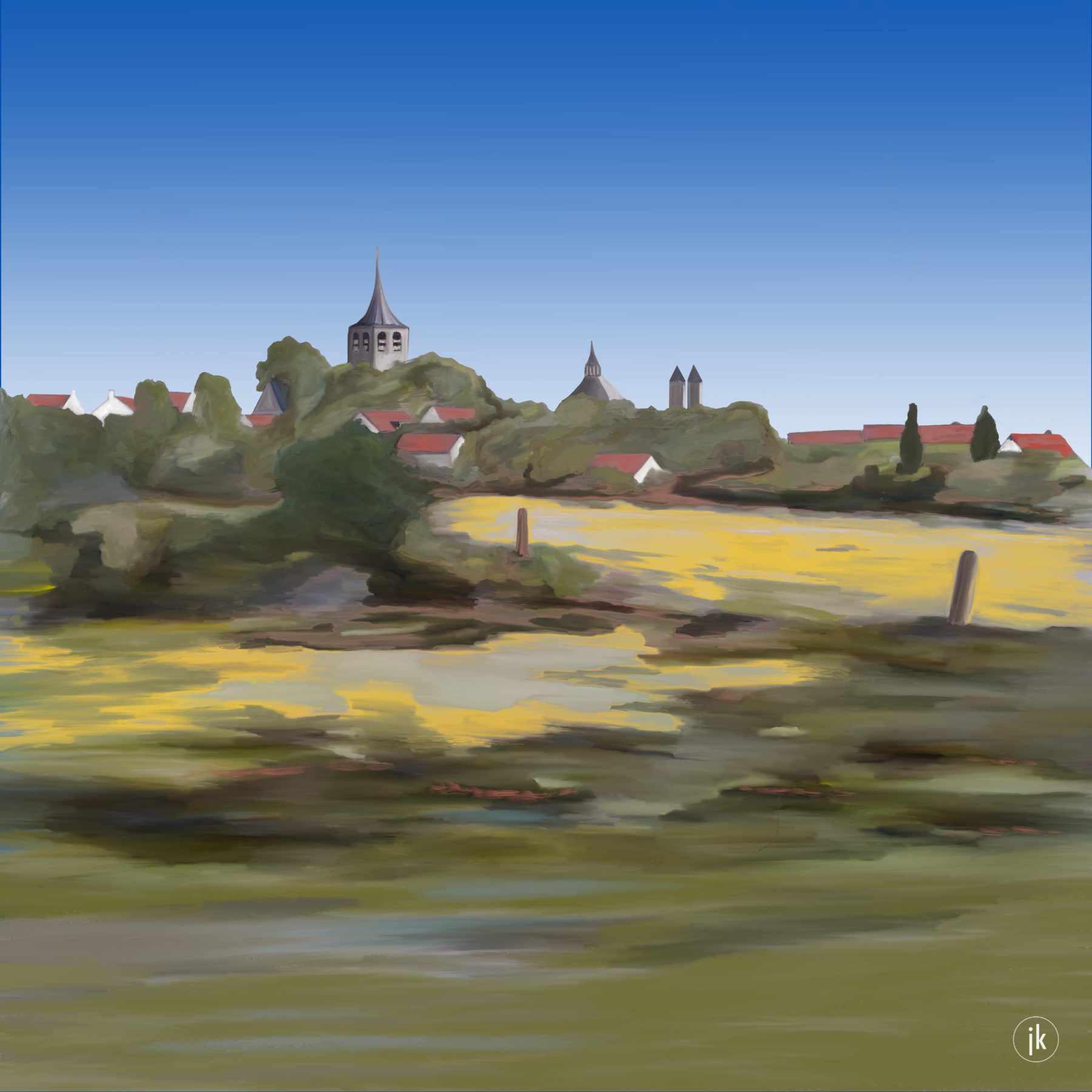
Halsteren, gezien vanaf de Oude Beijmoerseweg. Een DNA-beeld van mijn jeugd in dit mooie dorp. Geen wolkje aan de lucht.
Bibliografie
Kruf, J. (2023) Zicht op Halsteren [fine art print]. Breda: privécollectie.
Halsteren, gezien vanaf de Oude Beijmoerseweg. Een DNA-beeld van mijn jeugd in dit mooie dorp. Geen wolkje aan de lucht.
Bibliografie
Kruf, J. (2023) Zicht op Halsteren [fine art print]. Breda: privécollectie.
 One of the core determinants in diagnosing an ecosystem is the interaction between components.
Understanding the exact interaction—or, in this case, a combination of interactions—is key to proper diagnosis.
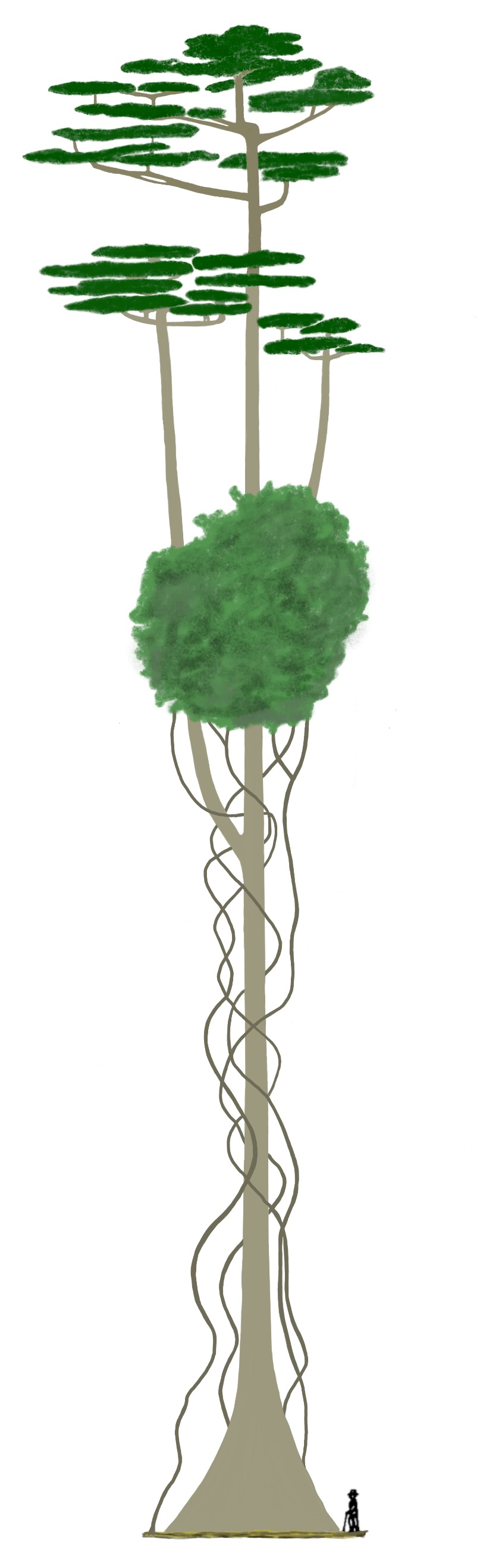
This design tells the story of a tree and a liane. Who benefits from whom, when, and why? The tree and liane are real, as measured by Roelof Oldeman (1974a), but they are also metaphors for people or organisations.
I firmly believe in the plausibility of this substitution, primarily due to the universal nature of ecological interactions. These are governed by a set of fundamental patterns, a mere seven, which exist in nature. This universality extends to the public domain, which is intricately intertwined with nature.
It is part of transect by Oldeman (1974a): “La liane perchée sur le Terminalia amazonia à une hauteur d’environ 35 mètres appartient probablement à la famille des Polygonacées“. Curation and colour selection by Jack Kruf.
Bibliography
Oldeman, R.A.A. (1974a, 2nd ed.). L’architecture de la forêt guyanaise. Mémoires ORSTOM, 73.
A Field Guide for Birders, Naturalists, and Ecologists
Iain Campbell, Ken Behrens, Charley Hesse, and Phil Chaon | Princeton University Press
Accurately identifying and understanding habitats in detail is essential to any birder, naturalist, outdoor enthusiast, or ecologist who wants to get the most out of their experiences in the field. Habitats of the World is the first field guide to the world’s major land habitats—189.
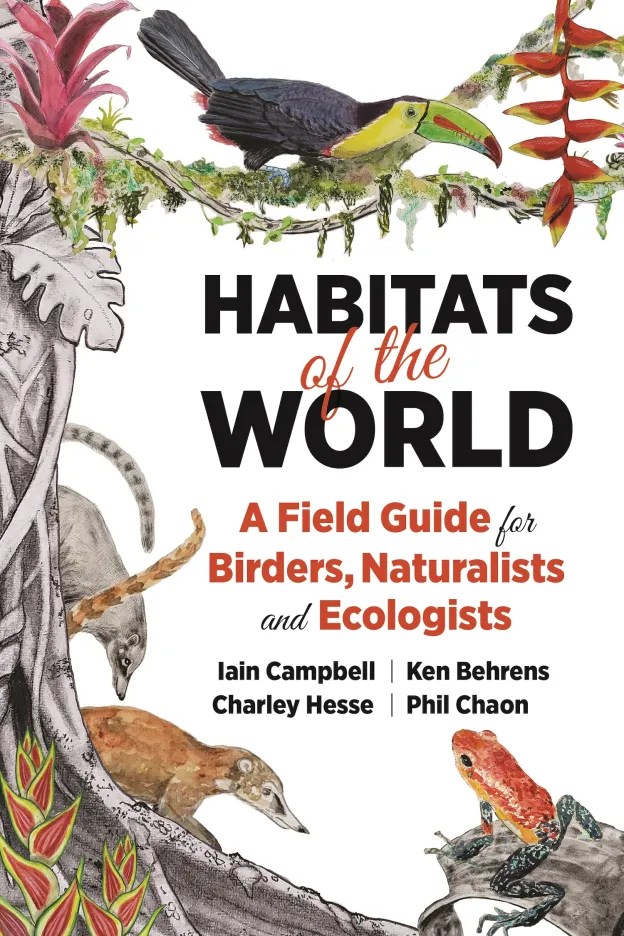
Using the format of a natural history field guide, this compact, accessible, and comprehensive book features concise identification descriptions. It is richly illustrated—including more than 650 colour photographs of habitats and their wildlife, 150 distribution maps, 200 diagrams, and 150 silhouettes depicting each habitat alongside a human figure, providing an immediate grasp of its look and scale.
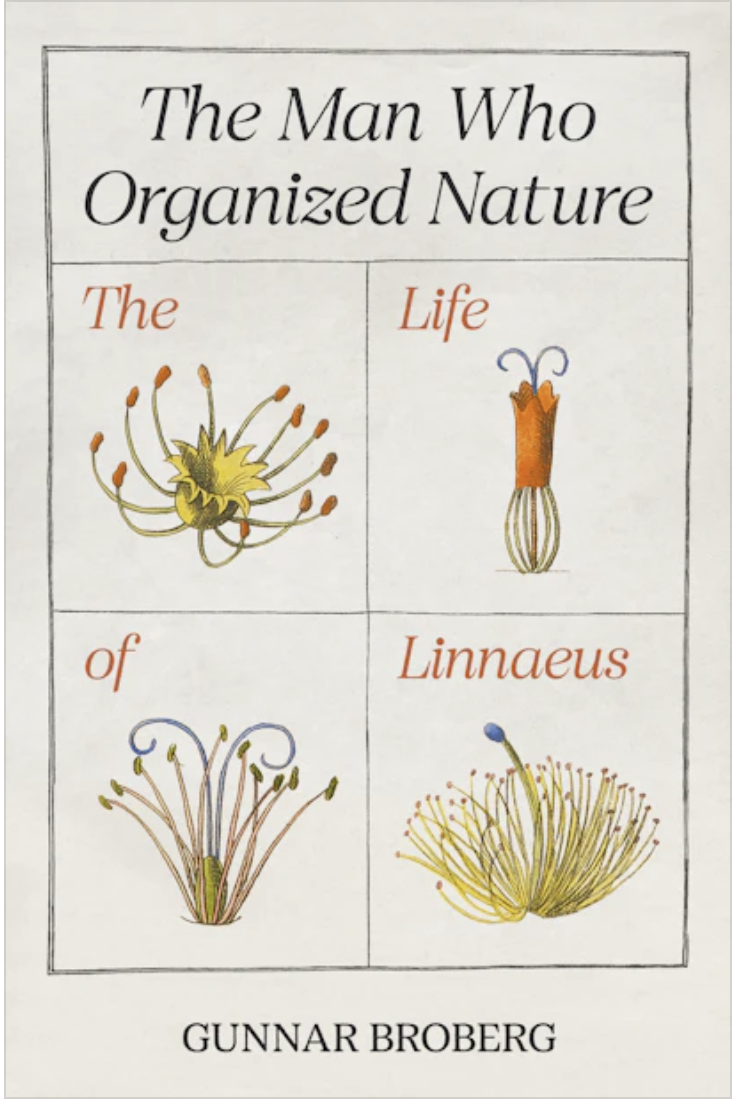
The Life of Linnaeus
Gunnar Broberg (translation Anna Paterson)| 2023, Princeton University Press
A new biography offers a vivid portrait of Linnaeus’s life and work. Carl Linnaeus (1707–1778), the father of modern biological taxonomy, formalised and popularised the system of binomial nomenclature used to classify plants and animals.
 Linnaeus himself classified thousands of species; the simple and immediately recognisable abbreviation “L” is used to mark his classifications.
Insects in Peril
Levon Biss and American Museum of Natural History | 2022, Harry Abrams
Pay attention to insects. Many pollinate plants. Some recycle plant and animal matter into the soil. They are food for countless other living things—and for one another, often keeping pest populations in check. Whether beetles, bees or butterflies, insects help natural ecosystems stay healthy.
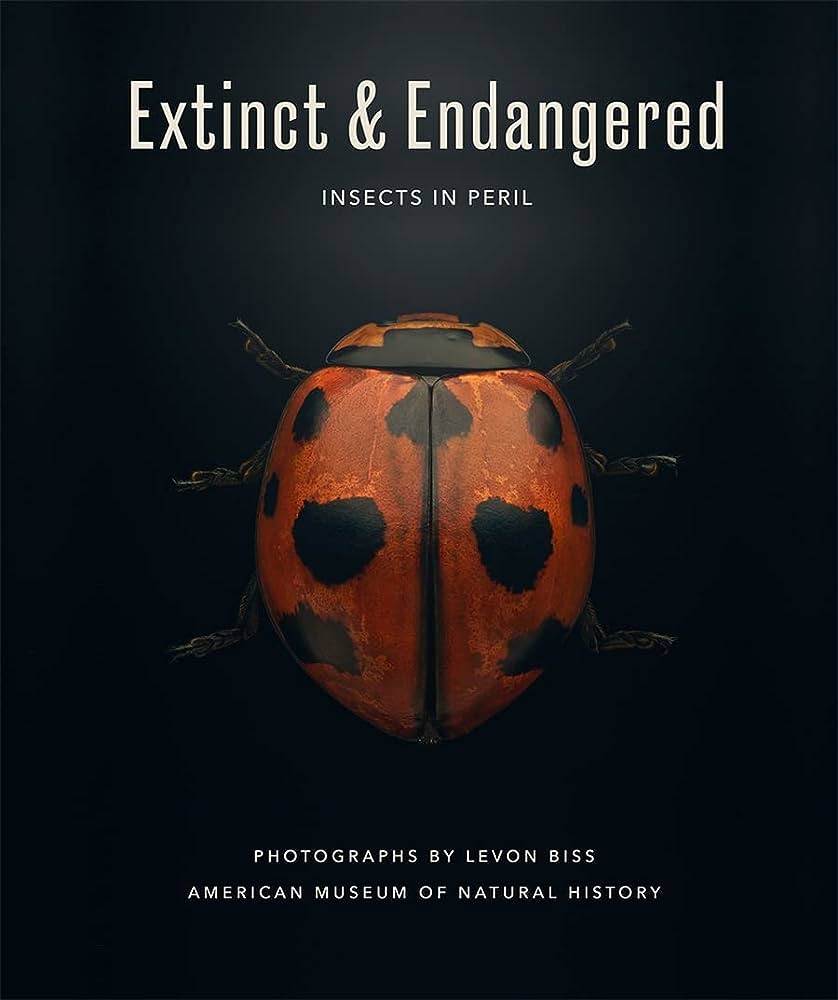
But the evidence is clear: many insect species are in decline. The ones featured here are vulnerable, imperilled—or have already disappeared—and human changes to the land and climate are primary reasons.
 Kruf Huyssons