
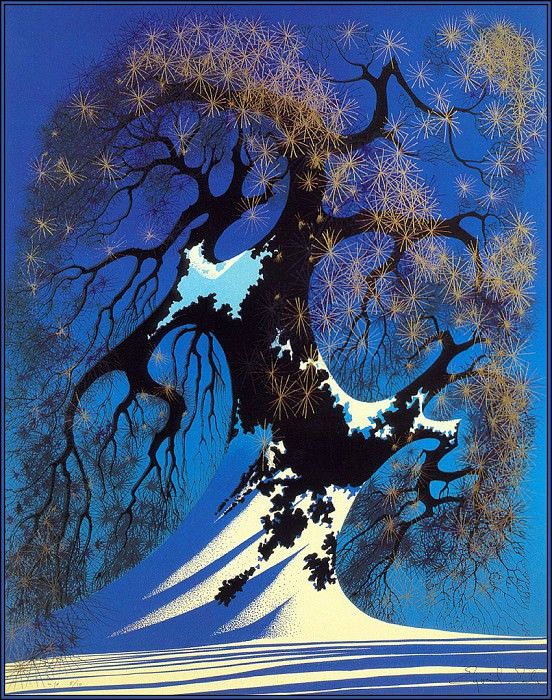
Winter Bonsai
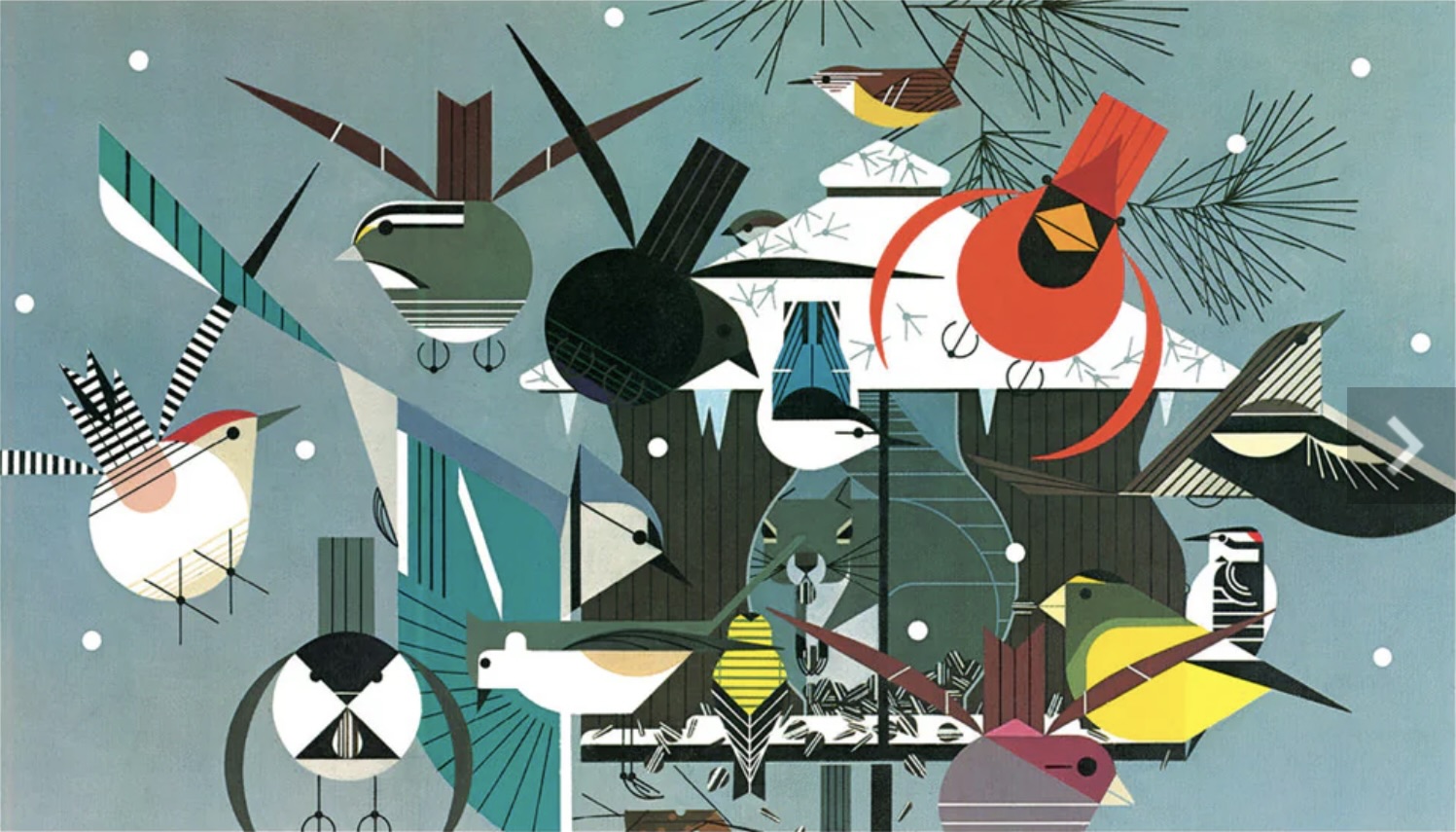
Charley Harper is an exceptional modern artist who dedicated his paintings to the essence of wildlife. This card shows a selection of the biodiversity of animals that have to find their way in the winter forest when food is not that abundant anymore.
Survival comes with preparation, adaptation, and innovative thinking when needed. Behaviour and personal treats are key. It’s not so different from the present human world. Well, what can we learn from life in the forest? Or did we forget about it?
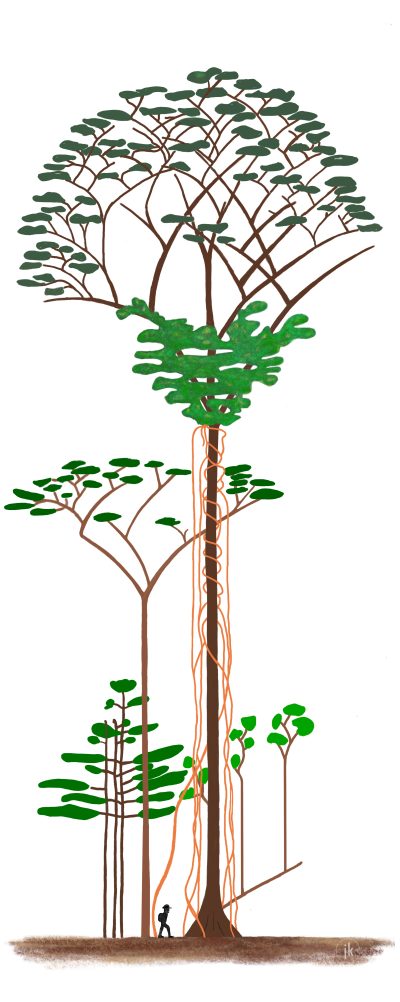 One of the core determinants in diagnosing an ecosystem is the interaction between components, in this case, plant species. Understanding how different roles in the forest ecosystem can interact is critical to proper diagnosis.

The impressive dissertation of Roelof Oldeman (1974, summa cum laude) shows the natural forest’s complexity, dynamics and beauty. Oldeman combined morphogenetic, ecological and physiological concepts, allowing the structural analysis of the populations of trees to explain and understand the forest.
This (holistic) combination of sciences is also needed to understand the ecosystem society and its (public) governance. Now, this scientific landscape is scattered and segmented. Can public administration and corporate governance sciences learn from the forest approach?
Source: Oldeman (1974) part of fig 42. – Profil d’une parcelle de forêt d’environ 30 X 40 m dans la region de Saül, à une altitude de 285 m
This design is a personal redraw and colouring exercise by me as one of his students. I call it Forestia oldemanii. An ode to my teacher and dear friend.
Bibliography
Kruf, J. (2023) Forestia oldemanii [fine art print]. Breda: Private collection.
Oldeman, R.A.A. (1974, 2nd ed.). L’architecture de la forêt guyanaise. Mémoires ORSTOM, 73.
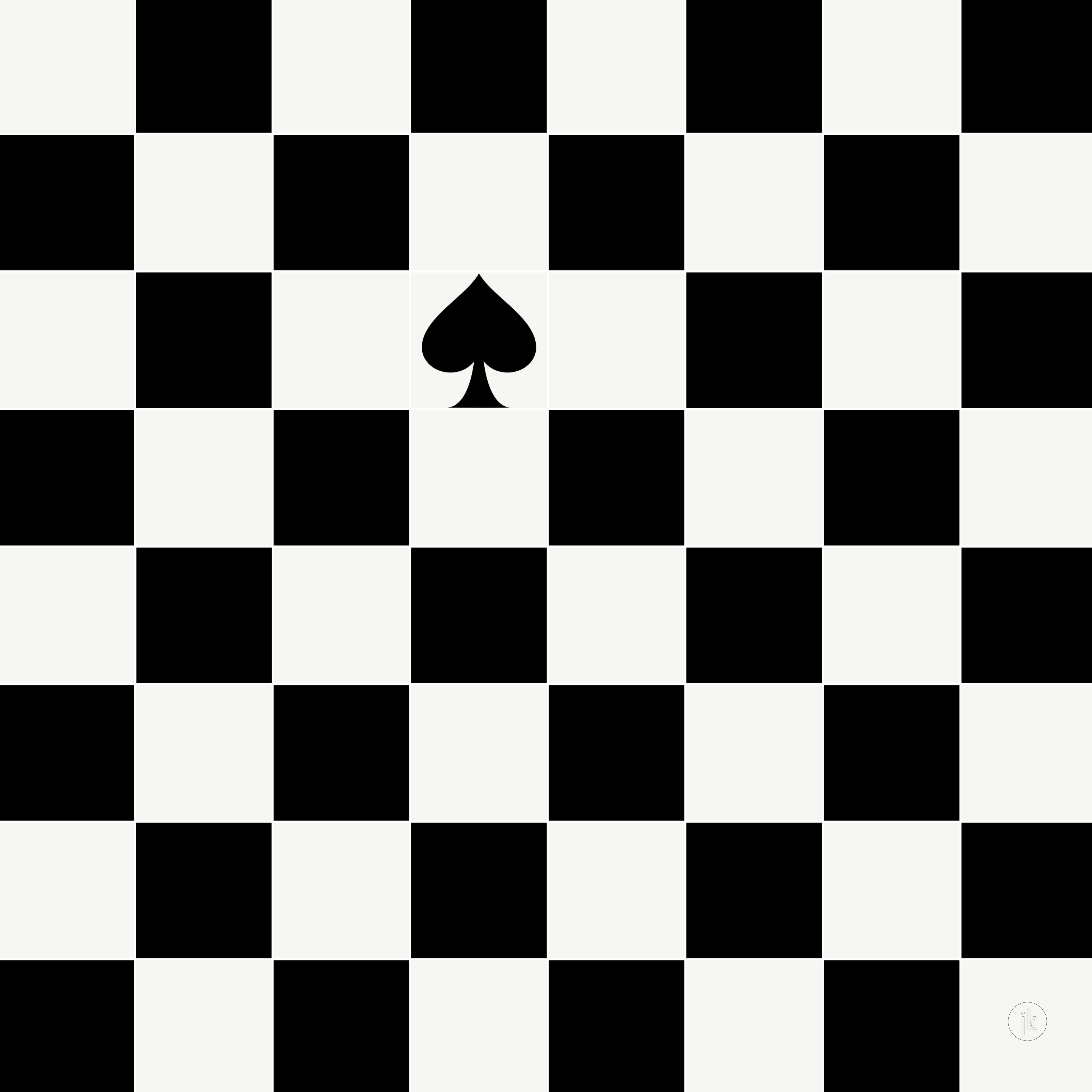
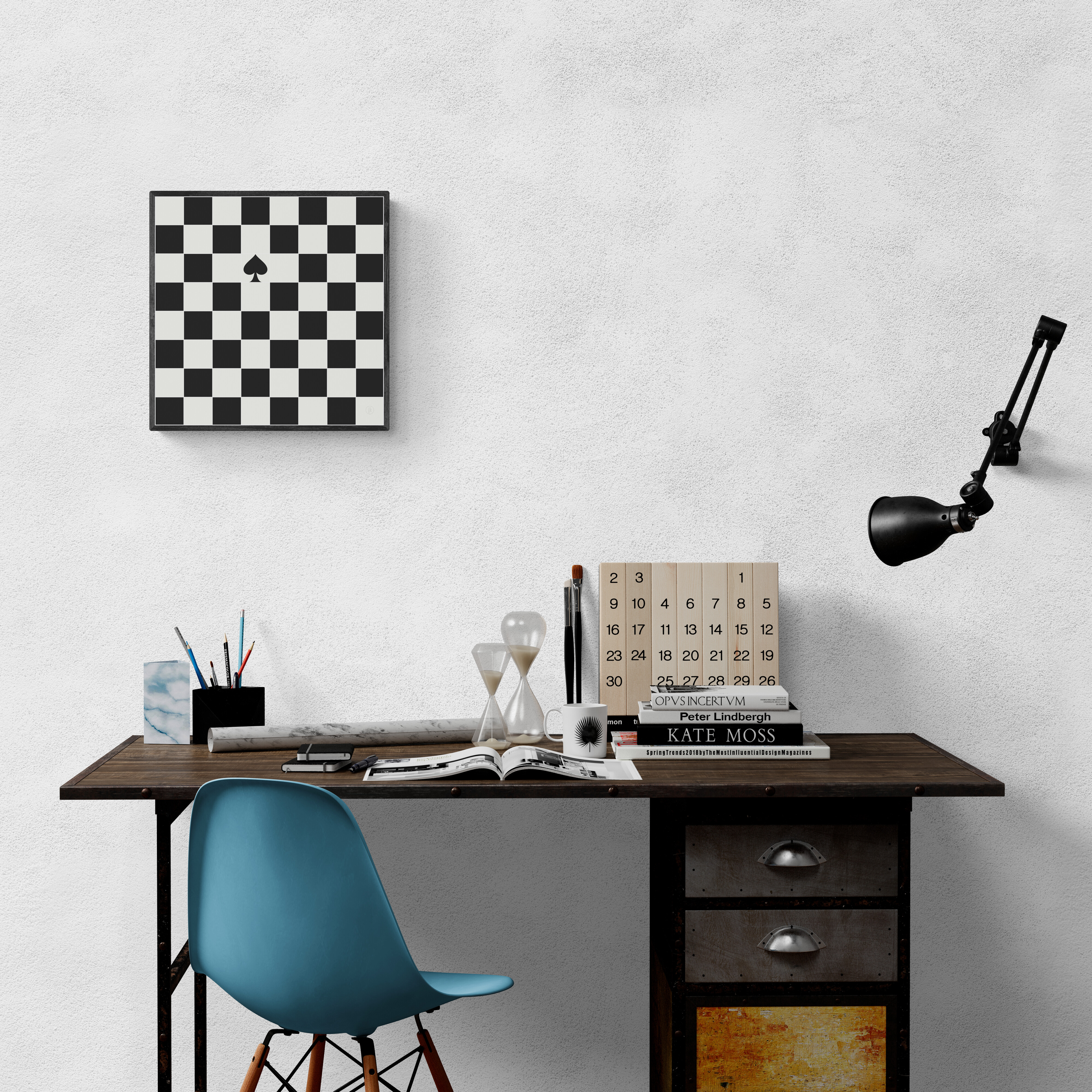
Change can happen if thinking outside the box is made applicable inside the box. Combining the house of cards and the strategic chess play can open new doors. The wind of change can just start at one place on the chess board. From there, it can influence the course and level playing field of the complete canvas of society. The chess board is a metaphor for society. The spade is formally associated with spear, leaf and shovel. We need all three.
All systemic changes started like this, with just one idea or one action in one place. This thought empowers hope for a better world. Hope is intrinsic and is about direct personal involvement (Cornel West), and “Hope is the thing with feathers” (Emily Dickinson). Actual change always starts somewhere.
From today on, we need to change more than ever because the direction in which we walk is not the right one. UN Secretary-General António Guterres even talked about hell on the 27th (!) climate top. It is good to know “we all can make a difference”, as Obama stated once.
We need all to turn the tide of loss and injustice (among others) and to keep democracy and our natural ecosystems alive and kicking. We need the spade more than ever against upcoming autocracy, populism, racism, fascism, greed and the world of denial and fake. The spade it is. A personal expression.
Bibliography
Kruf, J. (2022) Wind of Change [fine art print]. Breda: Private collection.
 Kruf Huyssons