
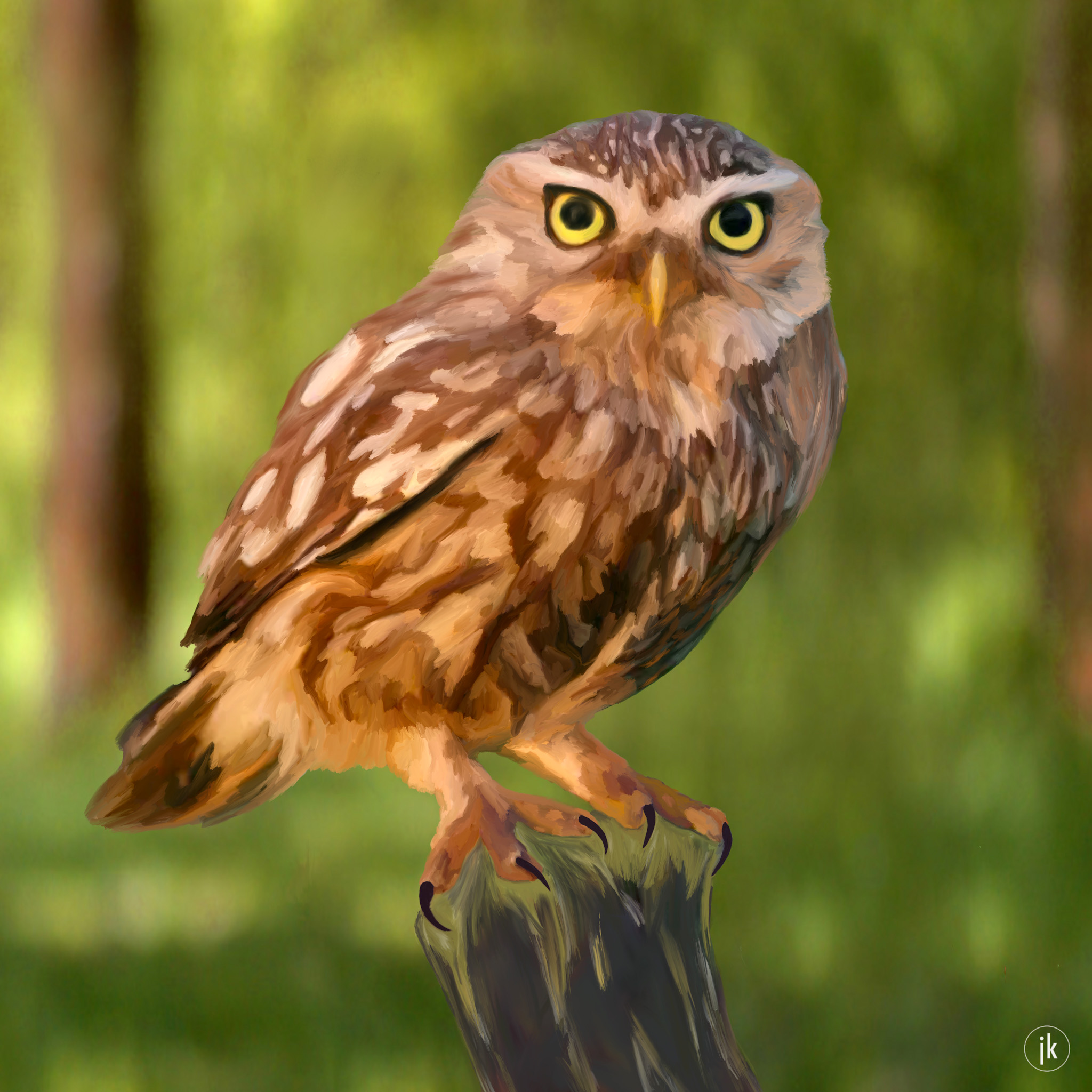
De steenuil, die luistert naar de prachtige Latijnse soortnaam Athene noctua, is de kleinste uil. De Engelsen noemen hem Little owl. Hij is zo groot als een merel.
Bibliografie
Kruf, J. (2024) Steenuil [fine art print]. Breda: privécollectie.
De steenuil, die luistert naar de prachtige Latijnse soortnaam Athene noctua, is de kleinste uil. De Engelsen noemen hem Little owl. Hij is zo groot als een merel.
Bibliografie
Kruf, J. (2024) Steenuil [fine art print]. Breda: privécollectie.

De uilen heersten over de wereldwijde wouden, zo’n 62 miljoen jaar geleden. Mensen waren er nog lang niet. De Oehoe (Bubo bubo L.) hij is er nog. Een wonder van wijsheid, met meer dan uitstekend dag- én nachtzicht en klauwen die werken als bankschroeven. Een sterke combinatie blijkbaar. Een ode.
Bibliografie
Kruf, J. (2024) Oehoe [fine art print]. Breda: privécollectie.
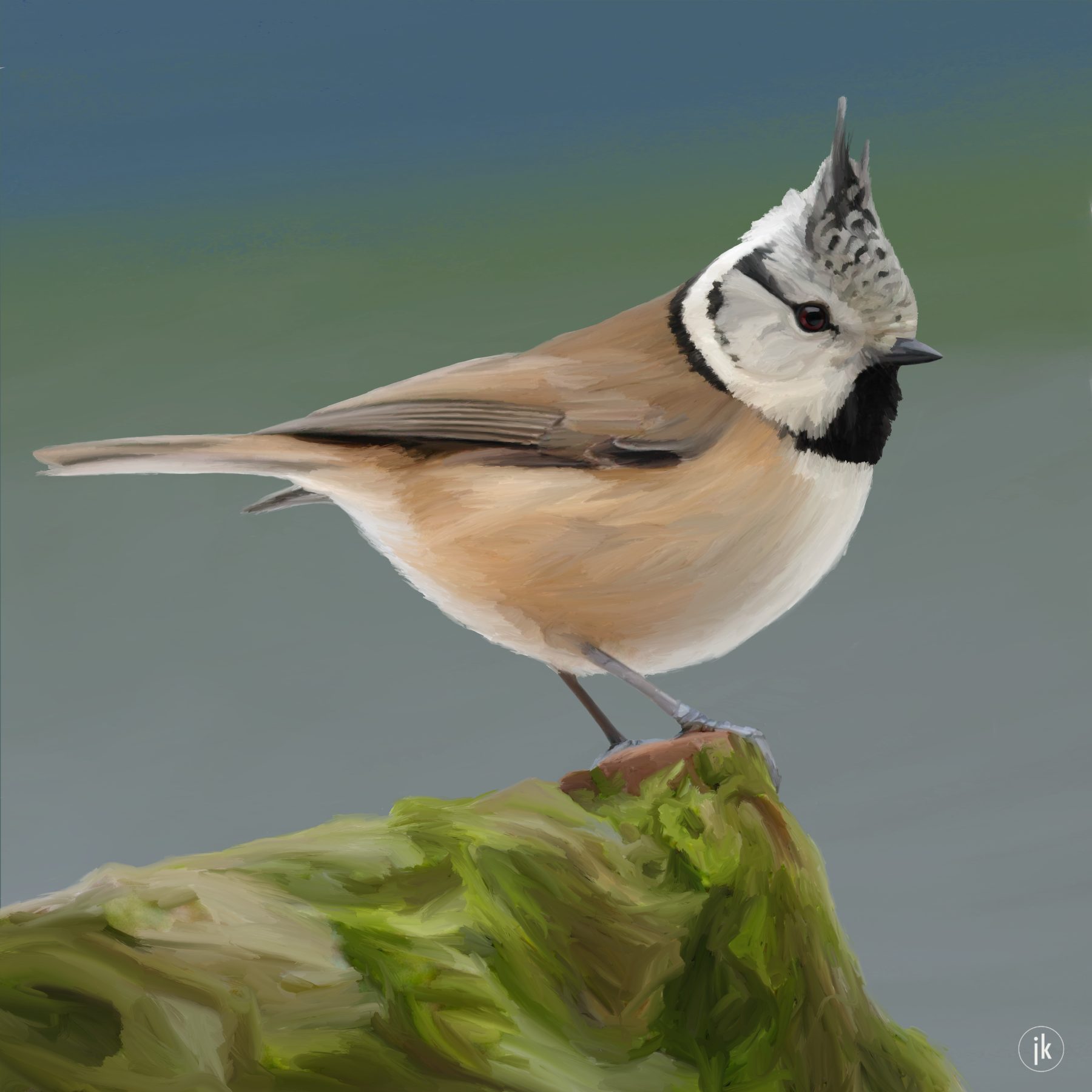
De kuifmees (Lophophanes cristatus L.) toont haar unieke kleurencombinatie.
Bibliografie
Kruf, J. (2024) Kuifmees [fine art print]. Breda: privécollectie.
A Field Guide for Birders, Naturalists, and Ecologists
Iain Campbell, Ken Behrens, Charley Hesse, and Phil Chaon | Princeton University Press
Accurately identifying and understanding habitats in detail is essential to any birder, naturalist, outdoor enthusiast, or ecologist who wants to get the most out of their experiences in the field. Habitats of the World is the first field guide to the world’s major land habitats—189.
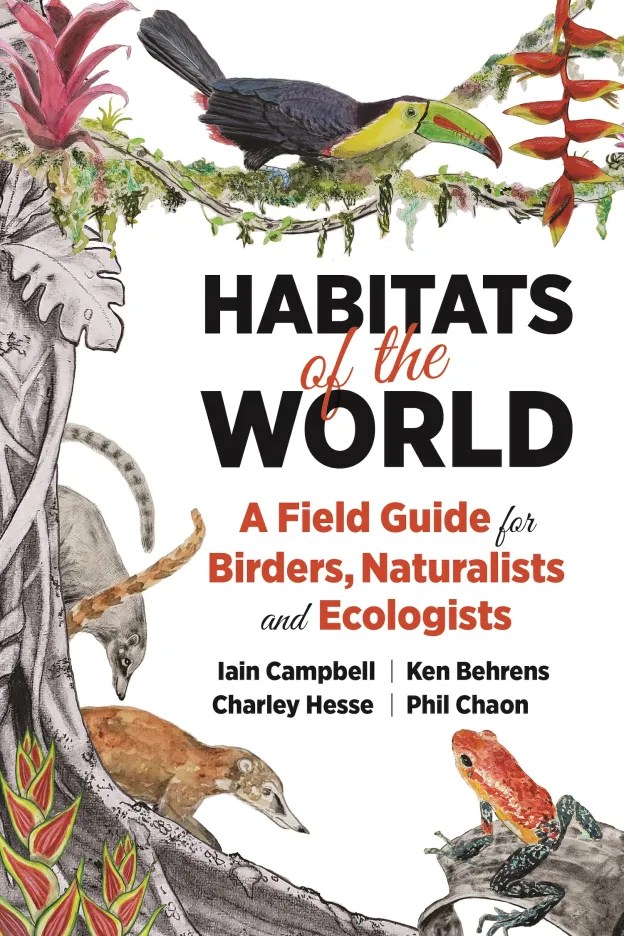
Using the format of a natural history field guide, this compact, accessible, and comprehensive book features concise identification descriptions. It is richly illustrated—including more than 650 colour photographs of habitats and their wildlife, 150 distribution maps, 200 diagrams, and 150 silhouettes depicting each habitat alongside a human figure, providing an immediate grasp of its look and scale.
The Life of Linnaeus
Gunnar Broberg (translation Anna Paterson)| 2023, Princeton University Press
A new biography offers a vivid portrait of Linnaeus’s life and work. Carl Linnaeus (1707–1778), the father of modern biological taxonomy, formalised and popularised the system of binomial nomenclature used to classify plants and animals.
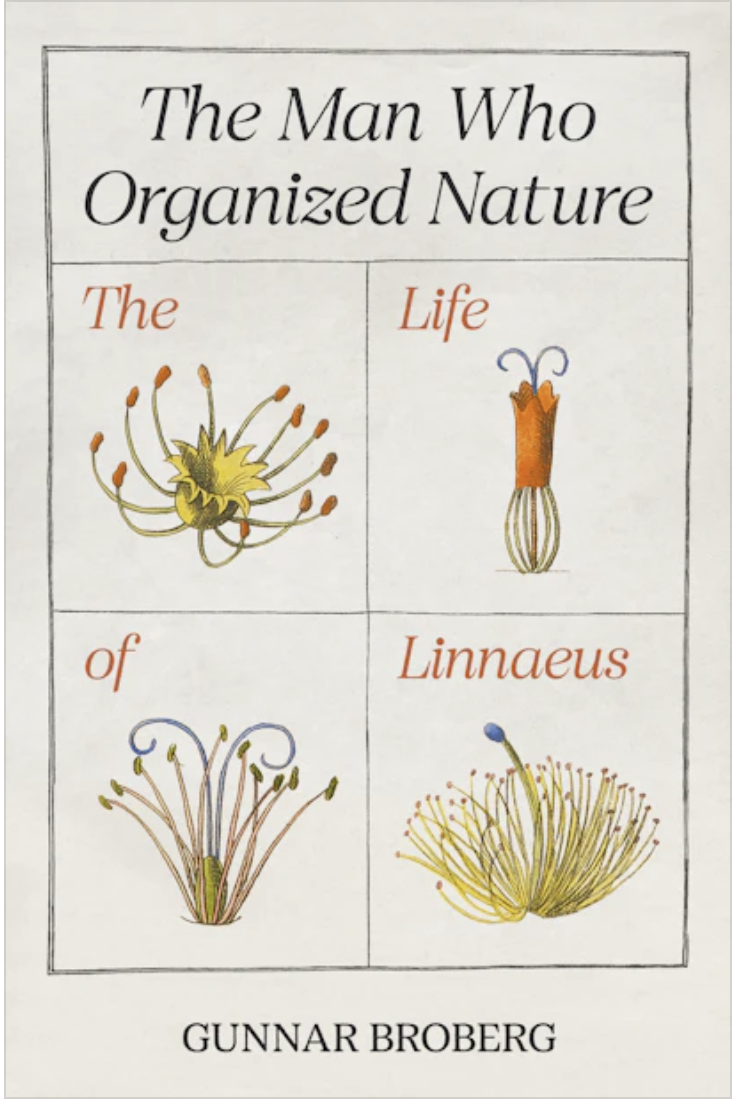 Linnaeus himself classified thousands of species; the simple and immediately recognisable abbreviation “L” is used to mark his classifications.
 Kruf Huyssons