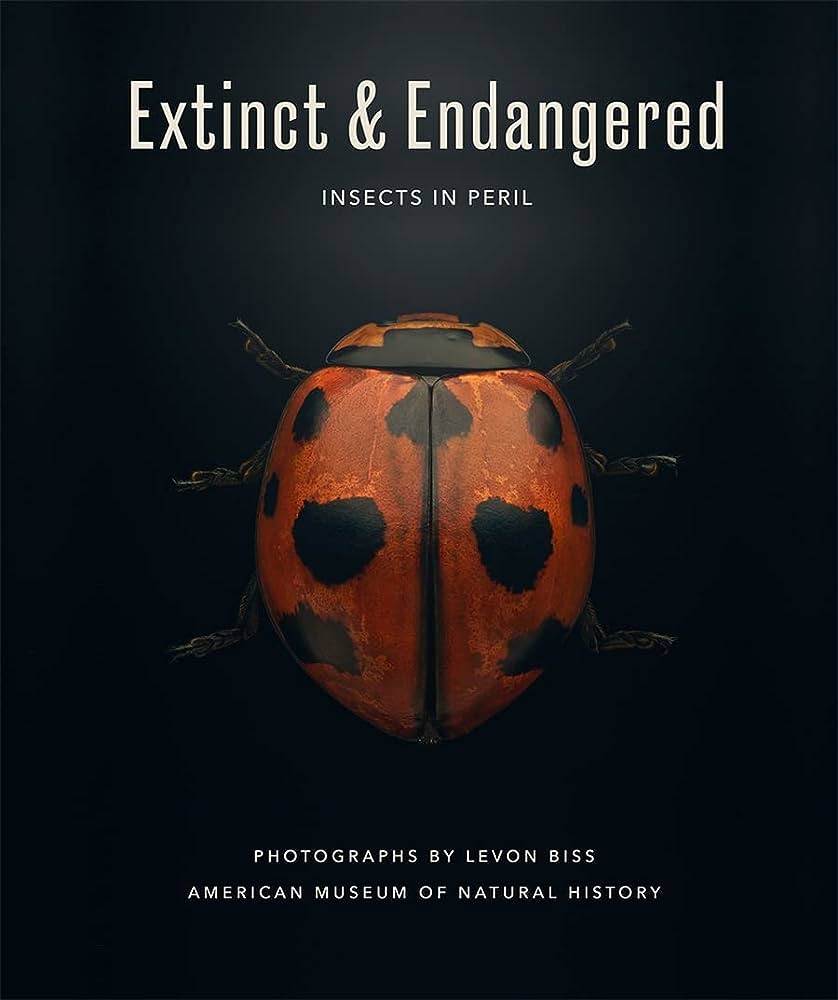
Extinct & Endangered

Insects in Peril

Levon Biss and American Museum of Natural History | 2022, Harry Abrams

Pay attention to insects. Many pollinate plants. Some recycle plant and animal matter into the soil. They are food for countless other living things—and for one another, often keeping pest populations in check. Whether beetles, bees or butterflies, insects help natural ecosystems stay healthy.

But the evidence is clear: many insect species are in decline. The ones featured here are vulnerable, imperilled—or have already disappeared—and human changes to the land and climate are primary reasons.

Lees verder “Extinct & Endangered”

Aristotle and ecology

M. D. Usher | Princeton University Press

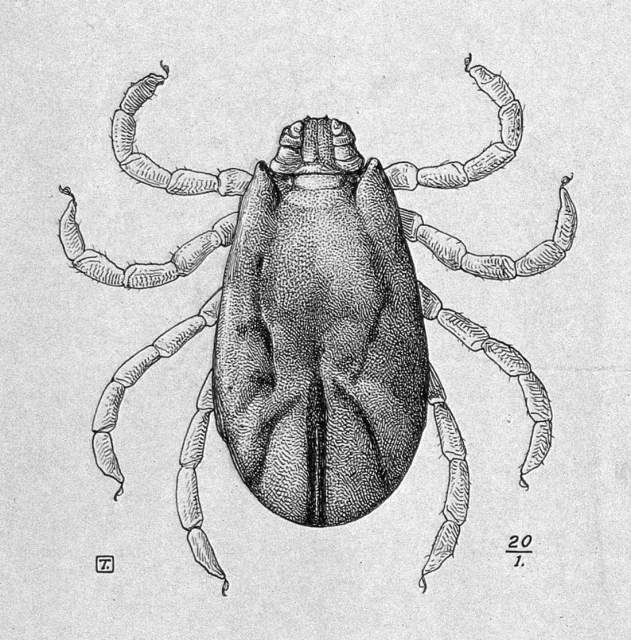
“When zoologist Ernst Haeckel (1834–1919) coined the word ecology in 1866 he defined it as “the relation of the animal to its organic and inorganic environment.” But did he coin it? Aristotle, arguably the world’s first zoologist, gave a tantalizing preview of the idea in Parts of Animals, written around 350 BCE.

Aristotle urges us to study animals closely for what they reveal about the larger world around us, including ourselves, for, as he puts it, “Nature does nothing in vain,” and “in all of Nature there is something wonderful.” His insistence that scientific investigation should always be concerned with systemic wholes is particularly inspired”

Bibliography

Usher, M. (2023) Aristotle and ecology. Princeton, US: Princeton University Press.

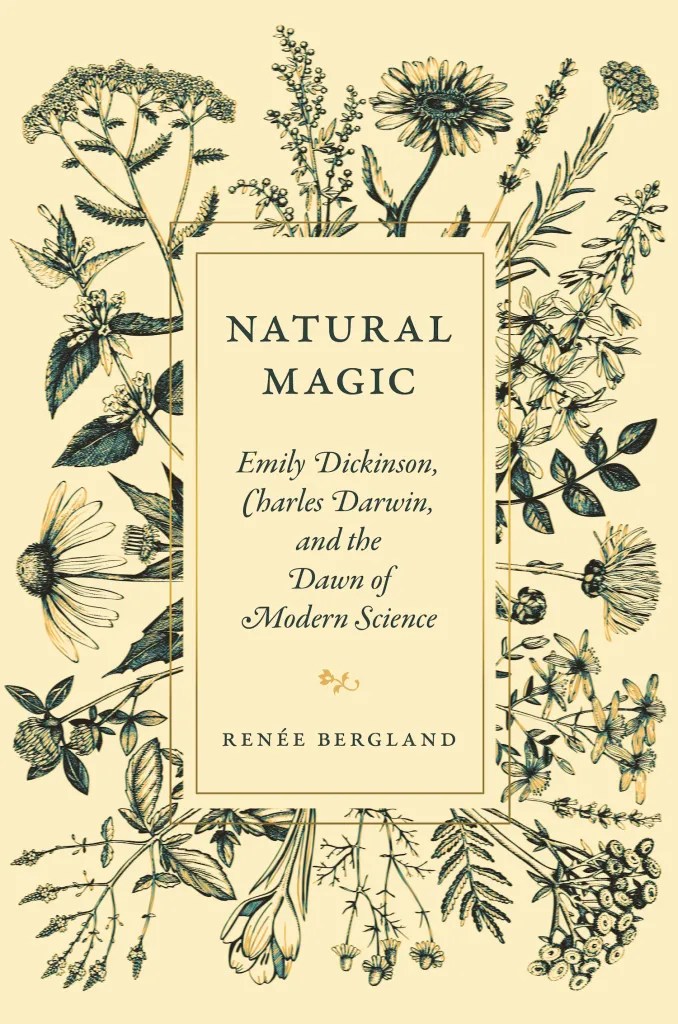
Natural Magic

Emily Dickinson, Charles Darwin, and the Dawn of Modern Science

Renée Bergland | 2024, Princeton University Press

A captivating portrait of the poet and the scientist who shared an enchanted view of nature. Emily Dickinson and Charles Darwin were born at a time when the science of studying the natural world was known as natural philosophy, a pastime for poets, priests, and schoolgirls. 

The world began to change in the 1830s while Darwin explored the Pacific aboard the HMS Beagle and Dickinson was a student in Amherst, Massachusetts. Poetry and science started to grow apart, and modern thinkers challenged the old orthodoxies, offering thrilling new perspectives that suddenly felt radical—and too dangerous for women.

Natural Magic intertwines the stories of these two luminary nineteenth-century minds, whose thoughts and writings captured the incredible possibilities of the new sciences while strove to preserve the magic of nature.

Just as Darwin’s work was informed by his roots in natural philosophy and his belief in the interconnectedness of all life, Dickinson’s poetry was shaped by her education in botany, astronomy, and chemistry and by her fascination with the enchanting possibilities of Darwinian science.

Casting their two very different careers in an entirely fresh light, Renée Bergland brings to life a time when ideas about science rapidly evolved, reshaped by poets, scientists, philosophers, and theologians alike. She paints a colourful portrait of a remarkable century that transformed how we see the natural world.

Illuminating and insightful, Natural Magic explores how Dickinson and Darwin refused to accept the separation of art and science. Today, more than ever, we need to reclaim their shared sense of ecological wonder.

With the Flow

The flow of life is a lesson in itself. Perceiving, analysing and learning from it is wise. It is listening to nature if you go with it. The palette of streams, sediments and resistances is seen from above. An eagle view.

Bibliography

Kruf, J. (2023) With the Flow [fine art print]. Breda: Private collection.

Wiped off the Map

This is an artistic impression of the natural rainforest being wiped off the map. The pristine Amazon canopy – and the entire ecosystem with hundreds of millions of individuals (animals, plants, fungi) – gets lost and dies. Biodiversity is brought to zero, with no change of discovery.

Human societies are like hurricanes. They destroy everything in their path.

I know we sit, watch and reflect on this loss from our chairs made from the wood of these forests. We seem to be trapped by ourselves. Or is there a way out?

Bibliography

Kruf, J. (2023) Wiped off the map [fine art print]. Breda: Private collection.