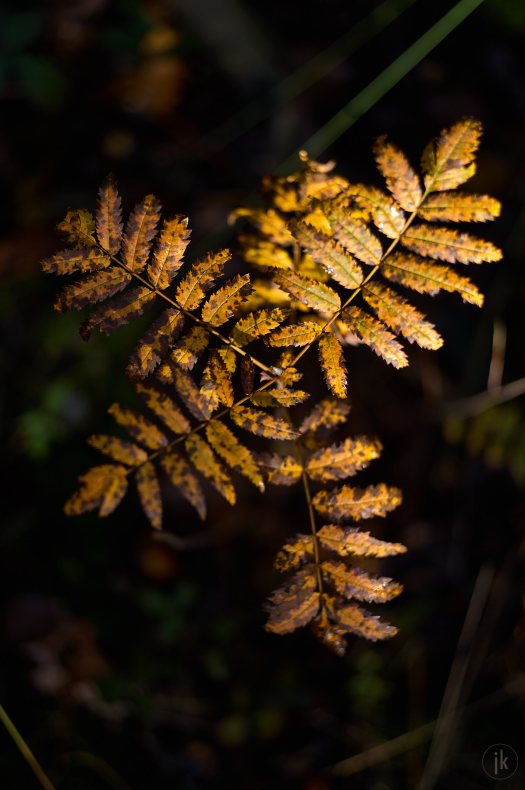
This palette of colour and construction finds its base in the combination of government regulation, the use of different materials, the progressive insights in and possibilities for the creation of new infrastructure to ease living.
The personal colour touch of the owner of this house in the centre of the City of Verona makes it almost a work of art. Camouflage in the city.
A bus stop actually can deliver a surprising palette of colours and materials. Here in the city of Breda (my city). Great design: wood, polyester and metal form this unique combination. The light brown, gray and silver palette is clean, neat and organised. It is interacting with the evening light.
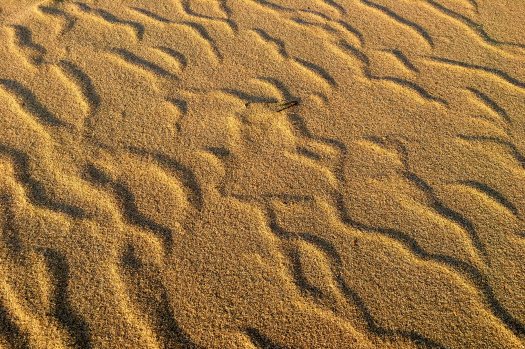
The wind can be playful in etching the sand on the beach. A natural pattern emerged here, which by the way, says not a lot about the wind, but also about the sand.
In fact, this is a symbolic picture of how organisations and, on a larger scale, even cities can be (trans)formed, sculpted, moulded, and even created by this combination of external and environmental factors on one hand and its own internal strengths and weaknesses (in the palette of behaviour, grip, power, robustness, resilience and diversity) of itself on the other hand.
Here, the emerging pattern has become the natural result of a sand and wind carried out realisation after the SWOT analysis. The result is what was possible. The wind and the sand come to their own expressions. No human or Artificial Intelligence is needed for true art expressions of Mother Nature.
Dit groepje bomen is over van wat eens een groot en vooral wijs bos was. Een verlaten groepje dat mijn aandacht trok. Zij zijn de laatst overgeblevenen, restanten en als zodanig onderdeel van een (zwaar uitgedund) bosberaad.
De bomen spraken over hoe zij nu toch definitief het pad wilden terugvinden naar waar zij thuishoorden, het bos, hun bos. Een verwoede poging, zo meende ik te ontwaren. Protest ook.
Ik liep even naast Frodo en Sam in het Oude Bos en droomde over de trots en gewortelde wijsheid van de bomen:
âAs they listened, they began to understand the lives of the Forest, apart from themselves, indeed to feel themselves as the strangers where all other things were at home. [âŠ] Tomâs words laid bare the hearts of trees and their thoughts, which were dark and strange, and filled with a hatred of things that go free upon the earth, gnawing, biting, breaking, hacking, burning: destroyers and usurpers. It was not called the Old Forest without reason, for it was indeed ancient, a survivor of vast forgotten woods; and in there lived yet, ageing no quicker than the hills, the fathers of the fathers of trees, remembering times when they were lords. The countless years had filled them with pride and rooted wisdom, and with malice.â
De New City Governance, so to speak, ligt eigenlijk al jaren voor als thema. Als gemeentesecretaris was er permanent de insteek om belangen van de stad zelve, haar burgers, doelgroepen, maatschappelijke organisaties, politieke partijen en ministeries (bolwerken van segmentatie) af te stemmen en te koppelen.
De benadering vanuit de concepten zoals smart city en city resilience in de afgelopen decennia zijn voorlopers, maar missen de harde componenten van governance, sturing en navigatie. Het is veel inhoud dat voorbij komt. De kern van de overall sturing wordt niet of nauwelijks aangeraakt. De huidige segmentatie en fragmentatie van die sturing vraagt om nieuwe wegen, willen wij verder komen. Er is een doorbraak in het denken nodig.
Deze nieuwe benadering is er dus nog niet, zeker politiek niet, omdat vanuit het perspectief van macht en invloed (cfr. Machiavelli) de feiten inzake kwaliteit en focus van het openbaar bestuur zich anders dan integraal tonen in mijn ogen. Ook wetenschappelijk zijn wij nog niet zover. Het landschap hier is ernstig versnipperd. Er is geen wetenschap die luistert naar de naam civitologie (mijn gedachte, ben ik nu een bedenker?).
De New City Governance van het ecosysteem stad – Ecosystem CityÂź en Civitas Naturalis – staat in de kinderschoenen en is in mijn ogen de grootste uitdaging voor de komend decennia. De toegepaste wetenschap en gedachtenontwikkelingen met betrekking tot de Sustainable Development Goals – met name noem ik SDG 11 (Sustainable Cities and Communities), SDG 16 (Peace, Justice and Strong Institutions) en SDG 17 (Partnerships for the Goals) -bieden uitgangspunten, drivers en handvatten. Het is een proces in ontwikkeling. Het wordt een boeiende ontdekkingstocht.
De implementatie van New City Governance vraagt om de keuze om niet het systeem centraal te stellen, maar de doelgroep, de  kwestie  c.q. het voorliggend vraagstuk. En dat is een spannende. Het vraagt om een paradigma-shift in governance, om een systeemsprong.
Ik moest denken aan de blootgelegde lessen van Machu Picchu, waar dit alles al aanwezig was, maar door de tijd in vergetelheid is geraakt. Ons bezoek in 2006 was werkelijk overweldigend. Als gemeentesecretaris Roosendaal en voormalig directeur Stedelijke Buitenruimte Breda was dit smullen. Ik was er niet meer weg te slaan, om het maar simpel te zeggen. Heb menig boek erover verslonden. Vooral de Lost City of the Incas. The Story of Machu Picchu and its Builders ging er in als koek. Deze stad kende integrale sturing. Machu Picchu, een voorbeeld, een rolmodel.