Entering the 3D world

Studying the essence of materials and combine them in a new way of design. That is possible with the new advanced 3D printers. Here is the PolyJet, a powerful 3D printing technology that produces smooth, accurate parts, prototypes and tooling.

With microscopic layer resolution and accuracy down to 0.014 mm, it can produce thin walls and complex geometries using the widest range of materials available with any technology. Benefits of PolyJet:

    • Create smooth, detailed prototypes that convey final-product aesthetics.
    • Produce accurate molds, jigs, fixtures and other manufacturing tools.
    • Achieve complex shapes, intricate details and delicate features.
    • Incorporate the widest variety of colors and materials into a single model for unbeatable efficiency.

Innovatie door waterstof (H2)

Jack Kruf

Davos, World Economic Forum. Het is de plaats en het moment waarop leiders van alle geledingen elkaar ontmoeten om ‘de toestand in de wereld’ (naar G.B.J. Hilterman) te bespreken. Tijdens dit forum in 2017 presenteerden 13 bedrijven op het gebied van energie, transport en industrie de Hydrogen Council.

Doel ervan is om een platform voor innovatie te bieden met als doel te migreren weg van vervuilende energiebronnen. De bedrijven willen de komende vijf jaar daartoe gezamenlijk 10 miljard euro investeren. Waterstof heeft de potentie om 90% van de CO2-uitstoot in 2050 te reduceren. Zij zien niet alleen transport als cruciaal, maar beschouwen waterstof als een erg aantrekkelijk alternatief voor olie. Waterstof biedt veel kansen om een transitie naar lage CO2– samenleving in meerdere bedrijfstakken en zelfs hele waardeketens mogelijk te maken.

De Hydrogen Council bestaat uit olie- en gasgiganten Royal Dutch Shell Plc en Total SA, automakers BMW AG, Daimler AG, Honda Motor Co., Hyundai Motor Co. en Toyota, energie- en gasbedrijven Air Liquide SA en Linde AG, mijnbouwbedrijf Anglo American Plc, electriciteit-nutsbedrijf Engie SA, treinmaatschappij Alstom SA en motor- en zware machinemaker Kawasaki Heavy Industries Ltd.

Waterstof is een veelzijdig, schoon en veilige energiedrager, kan worden benut als brandstof voor stroomopwekking, kan dienen als basisbrandstof en kan gemakkelijk op grote schaal worden opgeslagen. De leden van de Hydrogen Council hebben zich gecommitteerd om de toepassing ervan te bevorderen. Waterstof kan worden geproduceerd met behulp van (hernieuwbare) electriciteit en CO2-gereduceerde fossiele brandstof en produceert nul emissie bij gebruik. De veelzijdigheid in opslag en transport maakt waterstof geschikt om in veel sectoren de energietransitie te realiseren.

Identiteit: de heldere kijk van Mary Douglas

Jack Kruf | 2022

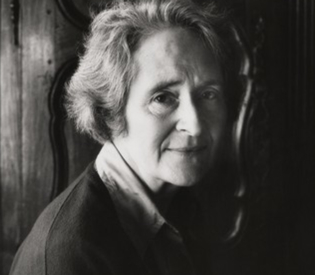
De idee van Mary Douglas (1921-2007). Als antropologe hield zij zich bezig met sociale krachten in de samenleving in relatie tot de eigenheid van het individu. Zij wordt internationaal beschouwd als gezaghebbend door haar bijdragen aan inzicht in de wijze waarop de mens zijn plek zoekt, vindt of niet vindt in de samenleving.

Zij bestudeerde onder meer ons consumptiegedrag en kwam tot de conclusie dat dit niet zozeer wordt gedreven door hebzucht maar door het verlangen van elk mens om voor zichzelf een geloofwaardige plaats in de wereld te verwerven. Dit gedrag definieerde zij als een strategie om sociaal te kunnen overleven.

Zij heeft het vraagstuk van rijkdom en armoede nader uitgewerkt, een tweedeling die hoog op de internationale agenda’s prijkt. In de ogen van Douglas verhindert armoede dat mensen hun essentiële behoeften om eigen identiteit en bezit kunnen tonen. Zo beschouwd is armoede psychologisch diep ingrijpend en daarmee veel omvangrijker dan een fysiek vraagstuk.

De gave van Gauguin

Wat hebben kunstenaars en bestuurders gemeen? Op het eerste gezicht niet zoveel, althans in de meeste gevallen. Maar bij het lezen van het boek Dat kan mijn kleine zusje ook door Will Gompertz (voormalig directeur Tate Gallery), dat handelt over begrip voor moderne kunst (met als startpunt de impressionisten), blijkt toch een verrassende parallel. Wij citeren (p. 89):

“Wat hij (Paul Gauguin, red.) wél bezat – en wat  alle grote kunstenaars bezitten – was het vermogen om op een unieke manier universele ideeën en gevoelens over te brengen. Om daartoe in staat te zijn moet het talent van het individu meestal de tijd krijgen om een eigen, herkenbare stijl te ontwikkelen. Als dat eenmaal gebeurd is en de schilder zijn of haar eigen stemgeluid gevonden heeft, kan er een gesprek met de toeschouwer plaatsvinden. Er worden dan aannames mogelijk en er kan een relatie ontstaan. Gauguin bereikte dat stijlkenmerk in een opmerkelijk korte tijd, en dat bewijst zijn vakbekwaamheid en intelligentie.”

De snelle oriëntatie, het ontwikkelen van de eigen stijl, het eigen authentieke stemgeluid vormgeven zijn de gaven van Gauguin. Zij komen overeen met wat goede bestuurders in de relatief korte bestuursperioden van vier jaar ook te doen hebben. Net als hebben zij beperkte tijd om te binden met hun omstanders, burgers, bedrijven en instellingen, eigenlijk met de samenleving. Wat Gompertz hier schrijft zou hij ook geschreven kunnen hebben voor bestuurders.

Waar ligt de kern van de gave van Gauguin? Gompertz licht op p.86 een tipje van de sluier op – een deel aan de hand van La Vision après le sermon (1888), te zien op de afbeelding hierboven – wat het volgens Gauguin zelf was:

“Hij (Paul Gauguin, red.) was tot de conclusie gekomen dat het de impressionist aan intellectueel doorzettingsvermogen ontbrak. Ze konden niet verder kijken dan de werkelijkheid zich voor hun ogen ontrolde. Hun rationalistische kijk op het leven beroofde hun schilderijen van de belangrijkste ingrediënt: verbeeldingskracht.”

Paul Gauguin is een verrassende en inspirerende leermeester voor bestuurders en managers: verbeeldingskracht als gave en factor voor het leggen van verbindingen. Zeker met de grote maatschappelijke en infrastructurele veranderingen inzake klimaat, biodiversiteit, energie (et cetera) voor ons is dit een eigenschap met doorslaggevende betekenis. Het creëert stimulerende kaders en dus draagvlak voor verandering.

* Will Gompertz (2012), Dat kan mijn kleine zusje ook: Waarom moderne kunst kunst is. Meulenhoff, Amsterdam, 464 pp.

Public Steward

Public steward or steward of the public domain? Who at the end is taking care for our society as a whole? Bringing balance between the political world (according Machiavelli the domain of power and influence’), society, the natural environment, relevant public values, science, media and business.

Is it the system of human society itself, democratic or not, functioning or not, which is actual self-governing? Or maybe is it the King as steward, guarding us, and not being part of the political system. Can the popularity of Kings and Queens (still) be explained by the fact that we actually are in serious need for a  steward which is guarding and guiding? Or are they a sublimation of our own personal feelings about lack of security and safety in the big world?

Etymology

In old English stiward, stigweard means “house guardian,” from stig “hall, pen” + weard “guard.” So  meaning “overseer of workmen”, attested from c.1300. The sense of “officer on a ship in charge of provisions and meals” is first recorded mid-15c.; extended to trains 1906.

A steward was the title of a class of high officers of the state in early England and Scotland, hence meaning “one who manages affairs of an estate on behalf of his employer” (late 14c.). The term developed during centuries, step by step, from the level of household to that of the public domain. What emerges here is the fact that government should not only deliver products, services, enforce rules, collect taxes and making regulations but also act as a steward. Taking care. Guardian angel.

Religion & Thought

The thoughts of stewardship are embedded in many beliefs, ideologies, philosophies and religions such as Buddhism, CatholicismGaiaHinduismHumanism, IslamismJudaismProtestantism and many more.  According David Horrell the oldest and most influential source for the idea that humans are meant to be stewards of the earth is the Bible, and in particular the opening chapters of the book of Genesis.

Government

Within public governance though – scientifically as well as from practitioners perspective – stewardship is still in development, and compared with the “world of” beliefs, ideologies, philosophies and religions relatively small and not well elaborated. The role ofsteward– to underline the focus and feeling of this role I use the term public steward – has been defined by several institutions and scientists as one of the roles of government. This role can only be carried out by government, many say.

O yes, government. That is actually us. At least in the democratic societies. With as main – and generally acknowledged – considerations the attainment of the society’s (public) values and quality of life for citizens. I would like to add nature here. This mostly is not considered as part, rather as environmental aspect of society and defined as our natural environment. Nature though is a core in the conceptions of stewardship, but in public governance still in the background. Of course it is linked somehow with sustainability, but not truly embedded in the processes and architecture of public governance.

Embedding

In my view stewardship is not that easy to embed in governing the public domain – at least being a challenging task – due to the always rich palette of  stakes, views, levels of government, political parties, beliefs, backgrounds and interests. Society is complex, stewardship in this regard a true profession.

What could be helpful is a more holistic approach (by government) of any issue, topic, plan or project; actually meaning placing strategies and policies in the larger perspective of total of values of the public area domain, for instance a city, as a whole. Not always easy zooming out from direct interests, stakes and clientele.

Moreover it becomes more and more important that also citizens and organisations living, working and acting within the public domain, truly embed the values of the public domain (as a whole) in their own behaviour. And act in the spirit of.

Ownership

Public stewardship contains on one hand a balanced holistic approach of public matters and a behaviour of citizens expressing their responsibility for the bigger picture on the other hand. So not only government as steward – with for cities Mayor, Aldermen and The City Council in the lead. No, everyone of us can be (and should be, but maybe  that is too normative) a public steward and act from the responsibility for the mainframe of discussed, confirmed and decided public values.

Necessity

For example a clean city (as chosen, confirmed and decided public value). Many cities have expressed this public value in their strategies and policy plan, that is way I use it as an example – is not only the guarding task of government, but in my view for everyone of us, regardless our background, belief or personal circumstances. Public Stewardship can in my view be very successful (not only as concept but as truly effective way of governing) when government and citizens act as one (the essence of democracy). For that a more holistic approach of public governance is desirable. No it is more than that: necessary.

Picture: © Jack Kruf, Hondarribia, Catalunya